



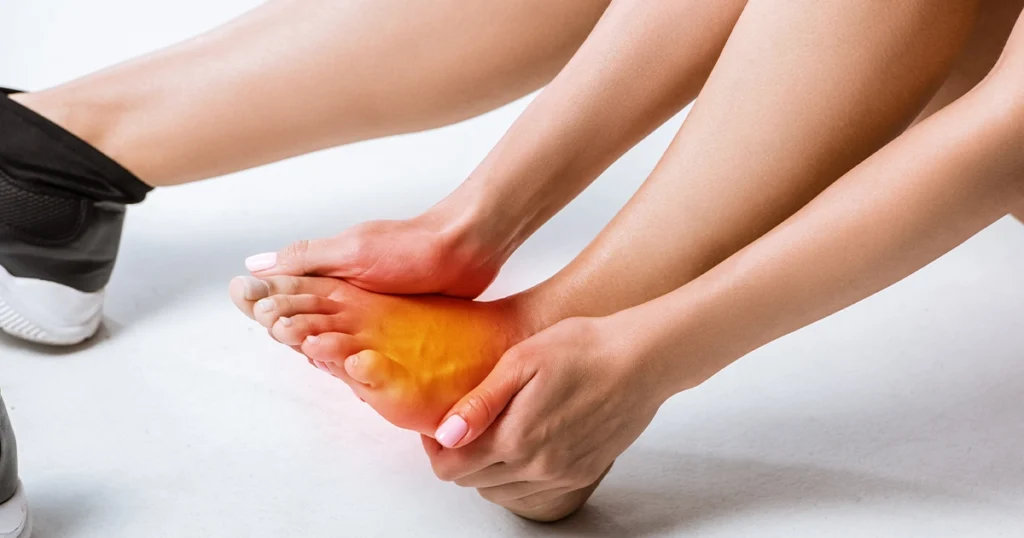
Foot pain on the top can be frustrating, affecting daily activities, exercise, and even sleep. If you’ve ever wondered, “Why does my foot ache on top?”, you’re not alone. Pain in this area can appear suddenly or develop gradually, and understanding the cause is key to finding relief.
Top-of-foot pain may stem from tendonitis, stress fractures, nerve compression, or joint issues. Common ER treatments include X-rays, splints, anti-inflammatory medications, and crutches to limit weight-bearing. Knowing the symptoms and proper care options can help you recover faster and prevent the pain from returning.
Anatomy of the Top of the Foot
Understanding the structures on the top of your foot can help explain why this area is prone to pain. Although it may seem small, the top of the foot contains several key components that can be affected by injury, overuse, or medical conditions.
- Bones: The metatarsals run from the midfoot to the toes, forming the framework of the foot. Stress fractures or trauma to these bones can cause sharp, localized pain on the top of the foot.
- Tendons: Extensor tendons along the top of the foot help lift your toes during walking, running, and climbing stairs. Overuse or irritation of these tendons can lead to tendonitis, a common source of top-of-foot pain.
- Nerves: Nerves pass across the top of the foot, sending signals to and from the brain. Compression or irritation of these nerves, often due to tight shoes or swelling, can cause tingling, burning, or numbness.
- Ligaments: Ligaments stabilize the joints and support the arch. Strain or injury to these connective tissues may result in discomfort on the top of the foot, particularly after trauma or intense activity.
- Blood Vessels: Circulation issues are less common but can sometimes contribute to discomfort or lead to secondary nerve irritation, causing throbbing or aching sensations.
Causes of Pain on the Top of the Foot
There are several reasons why the top of your foot may begin to ache, ranging from simple overuse to more serious underlying issues. Many causes develop gradually, making the pain easy to overlook at first. Understanding these triggers can help you identify whether your discomfort is related to activity, footwear, or a medical condition.
Tendonitis and Tendon Strain:
Irritation of the extensor tendons from overuse, tight shoes, or sudden activity increases can lead to aching, swelling, and pain that worsens with walking, running, or standing on tiptoe. Symptoms often improve with rest, but may persist in active individuals such as runners or hikers.
Stress Fractures:
Small cracks in the metatarsal bones caused by repetitive stress can create sharp, localized pain that worsens with activity and eases with rest. Swelling, pinpoint tenderness, and difficulty bearing weight are common signs, especially in athletes or people who stand for long hours. Learn more about stress fracture symptoms and treatment.
Nerve Compression:
Tight footwear, swelling from injury, or medical conditions like diabetes can compress nerves on the top of the foot, causing burning, tingling, numbness, or shooting pain. Symptoms often worsen during prolonged standing or when wearing pressure-heavy shoes.
Arthritis in the Midfoot:
Degeneration or inflammation of the midfoot joints leads to aching, stiffness, swelling, and discomfort when walking long distances or standing on uneven surfaces. This condition is more common in adults over 50 and those with previous foot injuries or inflammatory disorders.
Ganglion Cysts:
Fluid-filled sacs near joints or tendons can press on surrounding structures and cause discomfort. A noticeable lump, pain during shoe wear, and sudden irritation are typical signs. Although harmless, cysts may require treatment if they cause persistent pain.
Foot Injuries or Trauma:
Direct impact, twisting motions, or dropped objects can injure bones, ligaments, or tendons, resulting in immediate pain, swelling, bruising, and difficulty bearing weight. Even minor injuries may require evaluation to rule out fractures. You can read more about hairline fracture symptoms and care.
Lifestyle and Footwear Factors:
Ill-fitting shoes, high heels, stiff soles, sudden increases in activity, or poor gait mechanics can all trigger top-of-foot pain. Adjusting footwear, posture, and activity levels often helps relieve or prevent discomfort.
How to Assess Your Foot Pain
Performing a simple self-assessment can help you identify the potential cause of your top-of-foot pain. By carefully observing patterns, triggers, and symptoms, you can provide valuable information to a healthcare professional. Keeping a detailed log of these factors improves diagnosis and ensures proper treatment.
- Location: Identify where the pain is most concentrated—central, near the toes, or midfoot.
- Onset: Note whether the pain appeared gradually or suddenly.
- Triggers: Observe whether activity, shoes, or certain movements worsen the pain.
- Symptoms: Record any swelling, tingling, numbness, or visible lumps.
Treatment for Top-of-Foot Pain
Mild pain on the top of the foot can often be managed with simple home care, which helps reduce inflammation and supports healing. These remedies are effective for tendonitis, minor injuries, or discomfort from tight shoes. Consistent practice can prevent the pain from worsening.
- Home Remedies: Rest the foot by limiting activities that aggravate pain. Apply ice packs for 10–15 minutes several times a day to reduce swelling. Elevate the foot above heart level and wear supportive, well-fitted shoes with cushioned insoles to reduce pressure.
- Medical Treatments: If your foot aches on top and the pain persists or worsens, professional intervention may be needed. Common ER treatments and medical options include bracing or taping to stabilize the foot, custom orthotics to correct mechanics, anti-inflammatory medications, and advanced therapies such as laser therapy, shockwave therapy, or PRP injections for chronic tendon or joint problems.
- Surgical Intervention: Surgery is usually considered only when conservative treatments fail. Procedures can include fracture repair for broken bones, tendon reconstruction for damaged tendons, or joint and structural corrections to address abnormalities affecting foot mechanics.
Prevention Strategies
Preventing top-of-foot pain is often easier than treating it. Simple lifestyle adjustments, proper footwear, and early attention to discomfort can significantly reduce your risk. Consistently following these strategies helps maintain healthy, pain-free feet.
- Proper Footwear: Wear shoes that fit well, avoid overly tight laces, and replace worn-out shoes regularly.
- Gradual Activity Increases: Avoid sudden spikes in walking, running, or standing duration to prevent overuse injuries.
- Foot and Ankle Strengthening: Perform stretching and strengthening exercises to support tendons and joints.
- Early Attention to Discomfort: Address minor aches promptly to prevent them from developing into chronic problems.
Take Action for Healthy, Pain-Free Feet
If you’re wondering, “Why does my foot ache on top?”, the cause could range from tight shoes to tendonitis, stress fractures, or arthritis. Understanding the potential causes and recognizing symptoms early is essential for relief.
Take charge of your foot health today by paying attention to proper footwear, activity levels, and preventative care. If pain persists, visit Texas Emergency Care Center for professional evaluation and treatment. Acting early can prevent long-term complications, keep your feet pain-free, and help you stay active and mobile every day.