



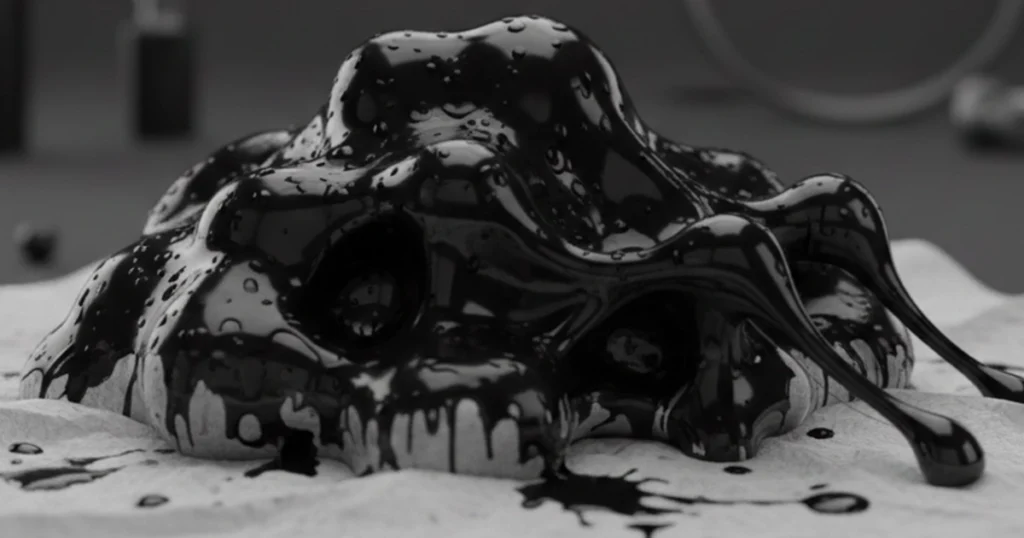
If you’ve ever coughed or blown your nose and noticed mucus that appears black, you’re understandably concerned. When people ask, “Why Is My Mucus Black?”, it often reflects alarm and confusion. The dark discoloration of normally clear mucus can be unsettling and may signal underlying health or environmental issues.
Black mucus can occur for many reasons, from inhaling pollutants to more serious lung problems, infections, or an upper respiratory infection. Upper airway and lung conditions can change mucus color as the body tries to clear irritants, debris, or pathogens. In this post, we explore what black mucus really means, possible causes, when to worry, and what to do about it.
What Is Black Mucus?
Black mucus, also called black phlegm, sputum with black spots, or black snot, is mucus that appears dark grey, brown, or black instead of its normal color. It often forms when mucus traps particles like soot, tar, dust, or other debris. A study on airway macrophages found that exposure to indoor fine particulate matter (PM2.5) increases black carbon in lung cells, which can appear in mucus. Black mucus typically shows the body is expelling pollutants or debris.
Symptoms of Black Mucus
- Coughing up dark-colored sputum or phlegm (black, grey, or with black specks).
- Noticing black specks or flecks in nasal mucus when blowing your nose.
- Persistent cough, sometimes with thickened phlegm.
- Frequent clearing of throat (constant clearing of throat).
- Additional respiratory symptoms like wheezing or shortness of breath.
Reasons Why Your Mucus Is Black
People may produce black mucus for many different reasons. Sometimes it’s a benign reaction to environmental exposure; other times it signals a more serious underlying condition. Black mucus forms when particles or debris accumulate in the mucus instead of being cleared. Here are the most common causes:
Smoking and Exposure to Smoke
Inhaling tobacco smoke, secondhand smoke, or smoke from fires brings tar, soot, and fine particulates into your airways. These substances can deposit in mucus and phlegm, turning them dark or black. Smoke also impairs the tiny hair‑like cilia in the lungs that help clear mucus, which can further trap debris and result in darker sputum.
Air Pollution and Particulate Matter
Living in areas with high levels of air pollution, heavy traffic, and industrial emissions, dust can lead to inhalation of fine particulate matter. Over time, these particles accumulate in the airways, resulting in sputum or mucus that appears black or contains black specks.
Occupational Dust or Occupational Lung Diseases
Long-term exposure to dust or mineral particles, for example, in coal mining, construction, or sand‑blasting, can lead to lung diseases like pneumoconiosis (including black lung disease). In these conditions, inhaled dust accumulates in the lungs, sometimes leading to black or dark mucus/phlegm.
Fungal or Other Severe Lung Infections
In rare cases, black mucus may indicate a serious fungal infection. Such infections may cause airway irritation, inflammation, and minor bleeding; the combination of debris, fungal elements, and blood breakdown can darken mucus or sputum.
Learn More: Upper Respiratory Infection
Bleeding, Tissue Damage, or Blood in Airways
Small amounts of bleeding in the nose, sinuses, or lungs, from irritation, chronic inflammation, or tissue damage, can mix with mucus. As the blood oxidizes or dries, mucus may appear dark brown or black. Additionally, repeated minor bleeding can contribute to persistent dark specks in phlegm, making the discoloration more noticeable over time.
Chronic Lung Diseases
Longstanding lung diseases that impair mucus clearance, such as COPD or bronchiectasis, may lead to chronic accumulation of debris, dust, blood fragments, or dead cells. Over time, this buildup can darken mucus or sputum, sometimes producing black or very dark phlegm.
Malignancies or Serious Airway Disorders
Though rarer, dark or black sputum, especially if persistent and accompanied by other alarming symptoms, can be a sign of serious conditions such as lung cancer. Tumors, airway obstruction, tissue necrosis, or bleeding can all contribute to dark-colored mucus or sputum.
How Black Mucus Forms and Where It Appears
Black mucus forms when the respiratory system traps debris like soot, dust, tar, dead cells, or blood in mucus instead of clearing it immediately. Mucus naturally protects the lungs by trapping particles and pathogens. When exposure is high or clearance is impaired, trapped particles darken, and black mucus can appear throughout the respiratory tract:
- Nasal passages / Sinuses: Dark or black snot may appear when inhaled dust, smoke, or pollutants are trapped in nasal mucus.
- Throat / Pharynx: Mucus may drip or flow down from the nasal passages or post-nasal drip, carrying dark particles into the throat.
- Lungs / Bronchi / Airways: Inhaled pollutants, occupational dust, or smoke can produce black phlegm deep in the lungs, which is then coughed up.
- During coughing or clearing throat: Black sputum may come out as phlegm or spit when the mucus is mobilized.
When Black Mucus Is an Emergency?
While occasional dark mucus after exposure to dust or smoke might not be alarming, there are situations when black mucus could signal a serious problem requiring prompt medical attention. If black mucus is persistent, worsening, or accompanied by other concerning symptoms, it requires urgent medical attention.
- Blood in sputum or dark, blood-tinged mucus.
- Severe shortness of breath or chest pain.
- Persistent cough lasting several weeks.
- Weight loss, night sweats, or other systemic symptoms.
- Rapid worsening after smoke or dust exposure.
If you notice black or dark mucus with any of these signs, contact the Texas Emergency Care Center immediately for prompt evaluation and treatment.
How to Get Rid of Black Mucus
Addressing black mucus involves both removing the cause and supporting your body’s natural clearance mechanisms. Treatment depends on the underlying cause, whether it’s exposure, infection, or lung disease.
- Avoid the irritant/trigger: Reducing or eliminating exposure to smoke, pollution, dust, or occupational hazards is crucial. Quitting smoking is highly recommended.
- Hydration & humidification: Drinking plenty of water and using a humidifier helps thin mucus, making it easier to clear naturally.
- Medications: If infection is present, your doctor may prescribe antibiotics, antifungals, or other appropriate treatments. For chronic lung diseases, inhalers or long-term therapies may help.
- Medical procedures/evaluation: Persistent black mucus may require sputum tests, imaging (X-ray, CT), or bronchoscopy to identify underlying issues.
- Supportive respiratory care: Chest physiotherapy, breathing exercises, and airway clearance techniques can help expel mucus effectively.
Get Expert Help for Black Mucus at Texas Emergency Care Center
Are you wondering, “Why Is My Mucus Black?” Noticing dark or black mucus can be alarming, and understanding the cause is important for your health. At Texas Emergency Care Center, our medical team evaluates your symptoms thoroughly, identifies potential triggers, and provides expert care to manage black mucus effectively.
With timely assessment and proper intervention, you can reduce symptoms, protect your airways, and prevent complications, keeping your respiratory system healthy.