



Strep throat is a sudden, painful throat infection that often catches people off guard, especially when symptoms worsen quickly or spread within families. It is caused by strep throat bacteria and can affect both children and adults, sometimes becoming serious if left untreated.
But How Contagious Is Strep Throat, and when does it stop spreading to others? This question often comes up in ER visits where patients seek quick answers, testing, and common ER treatments such as rapid strep tests, antibiotics, and fever management to prevent complications.
What Does Strep Throat Feel Like?
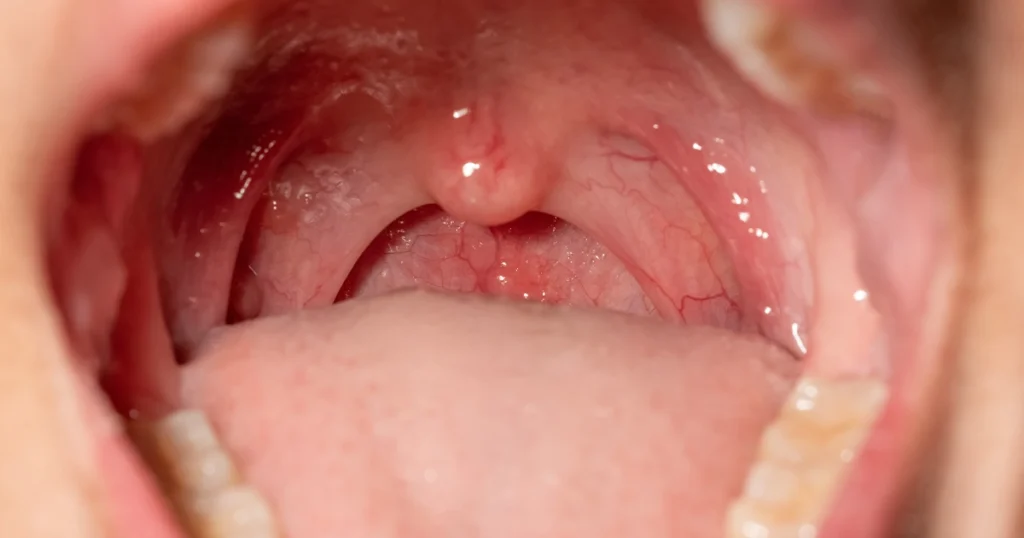
Strep throat usually starts suddenly with intense throat pain rather than a slow irritation. Many patients describe a sharp soreness with swallowing, pressure in the neck, and a red back throat that looks inflamed. Some notice white spots on the back of the throat, red speckles on the back of the throat, or swollen lymph nodes. Fever and body aches are common, even in mild strep throat or early strep throat cases.
This NIH‑affiliated source reports that among adults seeking care for a sore throat, only about 10–15% have streptococcal pharyngitis, while it is significantly more common in children.
What Are the Symptoms of Strep Throat
- Sudden sore throat pain with swallowing.
- White spots from strep throat or pus on tonsils.
- Strep throat fever above 101°F (38.3°C).
- Swollen, tender neck lymph nodes.
- Red speckles on the back of the throat or inflammation.
- Headache and body aches.
- Strep throat rash or rash with strep throat (scarlet fever).
- Nausea or vomiting, especially in children.
How Long Are You Contagious With Strep Throat?
The strep throat contagious period usually begins 2–5 days before symptoms appear and continues until treatment starts. Without antibiotics, the contagious stage of strep throat can last 2–3 weeks, even if symptoms improve. After starting antibiotics, most people are no longer contagious within 24 hours, which significantly reduces strep throat transmission to others.
How Is Strep Throat Spread?
Strep throat spreads easily in close-contact environments such as homes, schools, and workplaces. Many people unknowingly pass it on during the strep contagious period, especially before symptoms are obvious. Understanding how exposure happens helps reduce risk for others.
Ways Strep Throat Spreads Include:
- Respiratory droplets: Bacteria spread through coughing, sneezing, or talking at close range, making a cough with strep throat a major risk factor.
- Direct contact: Sharing utensils, drinks, or kissing allows strep throat bacteria to transfer easily.
- Surface contamination: Touching contaminated surfaces and then the mouth or nose can lead to infection.
How Long Does Strep Throat Last?
With proper treatment for strep throat, symptoms usually improve within 24–48 hours, and full recovery occurs in about 7–10 days. Without treatment, untreated strep throat may last longer and increase the risk of complications such as rheumatic fever. Even when symptoms fade, infection can persist if antibiotics are not used correctly.
How to Tell If You Have Strep Throat?
Strep throat can resemble viral sore throats, but certain signs raise concern for bacterial infection. Many adults delay care, assuming it is minor, especially with strep throat in adults or strep throat without tonsils. Early evaluation helps confirm the diagnosis and prevent spreading it to others. Signs you may have strep throat include:
- Severe throat pain without a runny nose or cough.
- White spots on the back of the throat or swollen tonsils.
- Persistent strep throat fever.
- Painful swallowing with neck tenderness.
- Strep throat signs that worsen rapidly.
If you notice any of these symptoms, contact the Texas Emergency Care Center immediately for rapid evaluation and treatment.
Can Strep Throat Go Away on Its Own?
No. While symptoms may lessen, strep throat bacteria usually remain without antibiotics. Leaving viral strep throat unconfirmed or untreated increases the risk of serious complications, including kidney inflammation and heart damage. Antibiotics shorten illness duration, reduce contagiousness, and prevent long-term effects.
When Strep Throat Is an Emergency?
Strep throat becomes an emergency when symptoms rapidly worsen or complications develop. Delaying care can lead to airway problems or systemic infection, especially in children and high‑risk adults. Emergency warning signs include:
- Difficulty breathing or swallowing.
- Severe dehydration or drooling.
- High fever not responding to medication.
- Rapidly spreading strep throat rash.
- Signs of abscess or neck swelling.
If these symptoms appear, contact the Texas Emergency Care Center immediately for urgent evaluation and treatment.
How to Treat Strep Throat
Treatment focuses on eliminating infection, reducing discomfort, and preventing complications. Early care supports faster recovery and effective strep throat relief, especially during the contagious phase. Treatment options include:
- Antibiotics (Penicillin or Amoxicillin): First‑line medications that kill bacteria and shorten the strep throat contagious period.
- Alternative antibiotics: Options for penicillin allergies, such as cephalexin or azithromycin.
- Pain and fever reducers: Acetaminophen or ibuprofen help manage strep throat fever and throat pain.
- Hydration and rest: Support immune recovery and symptom relief.
- Saltwater gargles: Reduce inflammation and soothe throat irritation.
Get Expert Care for Strep Throat at Texas Emergency Care Center
Are you concerned about how contagious strep throat is and the risk of spreading it to family or co-workers? At Texas Emergency Care Center, our experienced team provides rapid evaluation, accurate testing, and personalized treatment plans to manage strep throat safely and effectively. Early care helps reduce the contagious period and prevents complications.
Whether you are experiencing severe throat pain, fever, or swollen lymph nodes, timely assessment is essential. Texas Emergency Care Center ensures proper diagnosis and treatment, offering relief from symptoms and guidance to protect yourself and others from strep throat transmission.