




Fever is more than just a high temperature, it’s your body’s signal that something is disrupting its normal balance. Rapid onset, chills, sweating, and body aches often accompany it, leaving many feeling weak or alarmed. While most fevers are short-lived, persistent or unusually high fevers may indicate a more serious condition that requires immediate attention.
You may wonder, how long does a fever last and when should it be a cause for concern? Knowing the typical duration, patterns, and warning signs can help you act quickly, prevent complications, and determine when professional medical care is necessary, such as visiting an ER in Pearland.
What is a Fever?
Fever, or pyrexia, is an elevated body temperature above the normal range, usually triggered by infections or inflammation. It occurs when the hypothalamus raises the body’s set-point to help the immune system fight pathogens. Fever is not a disease itself but a defense mechanism that enhances immune function. Studies show fever occurs in about 78% of COVID‑19 cases, highlighting its role as a common symptom of infection.
What is Considered a Fever?
Fever is your body’s natural alarm system, signaling that something is off internally. It can leave you feeling weak, achy, or chilled, reminding you to take symptoms seriously. Recognizing a fever early helps you respond appropriately and seek care when necessary.
Fever Levels
- Low-Grade Fever (100.4–102.2 °F / 38–39 °C): Often signals a mild infection or early immune response. The body may still function normally, but rest and hydration are important.
- Moderate Fever (102.3–104 °F / 39–40 °C): Usually indicates a stronger infection or inflammation. Monitoring symptoms and consulting a healthcare provider is advised.
- High Fever (104.1–106 °F / 40–41 °C): Can be dangerous, especially in children or older adults. Immediate medical attention may be required to prevent complications.
- Hyperpyrexia (Above 106 °F / 41 °C): Rare but serious. Often associated with severe infections or heat-related illnesses and requires emergency care.
Fever Symptoms That Should Never Be Ignored
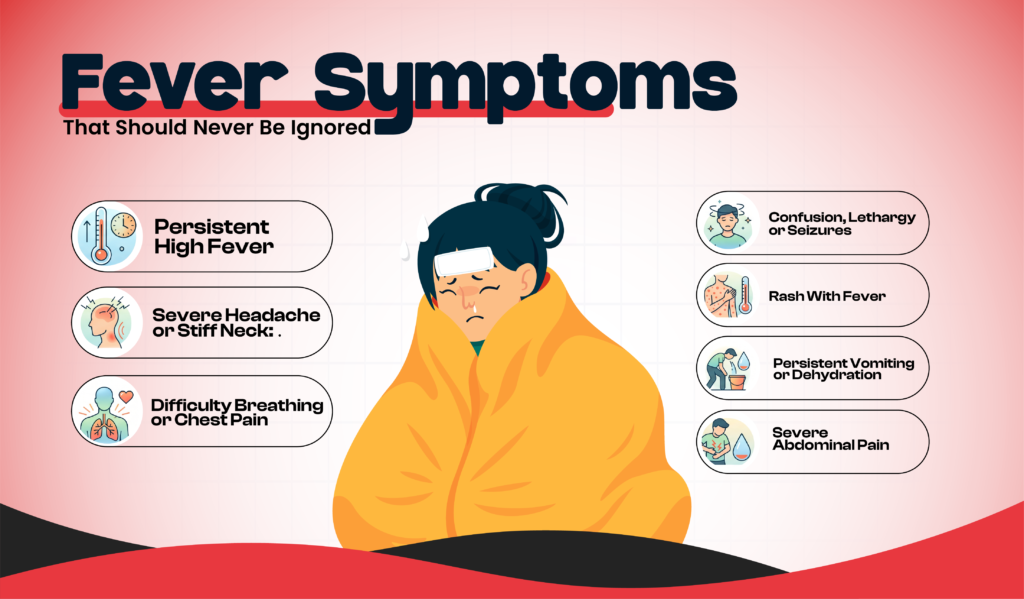
- Persistent High Fever: A fever lasting more than 3–5 days or exceeding 104 °F (40 °C) can indicate a serious infection requiring prompt evaluation.
- Severe Headache or Stiff Neck: Could signal meningitis or other neurological conditions and needs immediate medical attention.
- Difficulty Breathing or Chest Pain: May indicate pneumonia or other serious respiratory conditions.
- Confusion, Lethargy, or Seizures: Signs of potential sepsis, brain infection, or other severe systemic issues.
- Rash With Fever: Can point to infections like measles, meningococcal disease, or drug reactions that need urgent care.
- Persistent Vomiting or Dehydration: Can worsen your condition quickly, especially in children and older adults.
- Severe Abdominal Pain: Could indicate appendicitis or another serious internal infection.
If you or a loved one experiences any of these symptoms, don’t delay seeking care. Visit the emergency room near me immediately.
What Causes Fever?
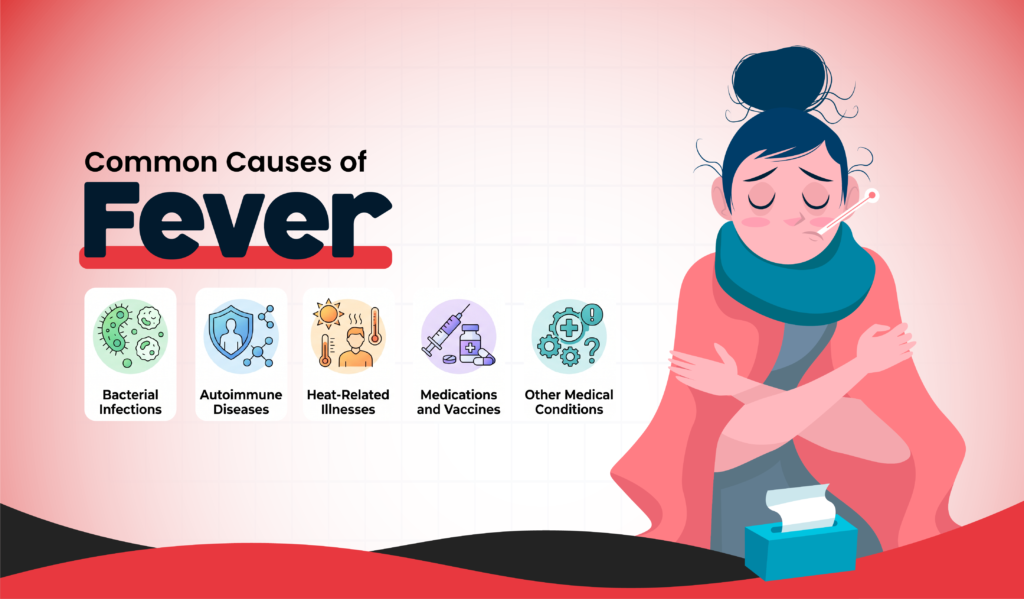
Fever occurs when the body detects infection, inflammation, or other disturbances. It can leave you fatigued and weak, urging rest and attention to overall health. While often triggered by infections, it may also arise from autoimmune reactions, heat-related illnesses, or medication side effects. Understanding these causes helps you act promptly to avoid complications.
- Viral Infections: Viruses like influenza, COVID‑19, or the common cold often trigger fever as the immune system fights off infection.
- Bacterial Infections: Conditions such as pneumonia, urinary tract infections, or strep throat can cause higher fevers and require timely antibiotic treatment.
- Autoimmune Diseases: Disorders like lupus or rheumatoid arthritis can provoke fever due to chronic inflammation in the body.
- Heat-Related Illnesses: Heat exhaustion or heatstroke can elevate body temperature dangerously and require immediate cooling and medical care.
- Medications and Vaccines: Certain drugs or vaccines may cause mild fevers as a side effect while the body reacts to foreign substances.
- Other Medical Conditions: Cancer, thyroid disorders, or blood clots can sometimes present with fever, signaling the need for thorough evaluation.
How Long Will a Fever Last
Most fevers from common infections are short-lived, typically lasting 1–4 days, and gradually resolve as the immune system fights off pathogens. Persistent or unusually long fevers may indicate more serious conditions and require medical attention.
Fever Duration by Common Illness
- Flu (Influenza): Fever usually lasts 3–4 days, often accompanied by body aches, chills, and fatigue. Symptoms gradually improve as the infection resolves.
- Common Cold: Fever is generally 1–2 days or may be absent, mostly mild, and usually resolves without medical intervention.
- COVID‑19: Fever can last 2–7 days, varying by severity and individual immune response; some cases may experience intermittent fever for longer periods.
- Pneumonia: Fever may persist for 5–7 days or longer, depending on the infection type and timely treatment; bacterial pneumonia often requires antibiotics.
How To Treat A Fever
Fever can be uncomfortable and draining, leaving you feeling weak, achy, or restless. While it is often a sign that the body is fighting an infection, managing it properly can help you feel better and prevent complications. It’s important to recognize when to care for yourself at home versus when medical attention is necessary.
- Antipyretic Medications (Acetaminophen/Tylenol): Helps reduce fever and relieve discomfort. Should be used as recommended by a doctor and according to dosing instructions.
- Nonsteroidal Anti-Inflammatory Drugs (NSAIDs, e.g., Ibuprofen): Reduces fever, pain, and inflammation. Use only under a doctor’s guidance, especially for children, elderly, or people with stomach or kidney issues.
- Antibiotics (for Bacterial Infections): Prescribed if a bacterial infection like pneumonia or strep throat is diagnosed. Must be taken exactly as prescribed by a doctor to ensure effectiveness.
- Hospital Care for Severe Fever: In cases of very high fever, dehydration, or complications, intravenous fluids and close monitoring may be provided under medical supervision.
- Treating the Underlying Cause: Managing the infection, inflammation, or other condition causing the fever is crucial. This may include antivirals, supportive care, or other therapies as advised by a healthcare professional.
When To Go To The ER For A Fever
Fever can sometimes indicate a serious underlying condition that requires urgent attention. While many fevers resolve on their own, it’s important to recognize when the situation may become critical. Prompt evaluation can prevent complications, especially for vulnerable adults and children.
When Should An Adult Go To The ER For A Fever?
- Very High Fever (≥104 °F / 40 °C): May indicate a severe infection or heat-related illness requiring immediate care.
- Severe Shortness of Breath or Chest Pain: Could signal pneumonia, heart issues, or other serious conditions.
- Confusion or Disorientation: Suggests possible sepsis or neurological complications.
- Persistent Vomiting or Dehydration: Can quickly become dangerous and needs prompt treatment.
- Severe Abdominal Pain or Stiff Neck: May indicate appendicitis, meningitis, or other urgent medical issues.
When Should I Bring My Child To The ER For A Fever?
- High Fever (≥102 °F / 38.9 °C) in Infants Under 3 Months: Requires immediate evaluation.
- Seizures or Unresponsiveness: Could be a sign of serious infection or neurological issues.
- Persistent Vomiting or Refusal to Drink Fluids: Risk of rapid dehydration.
- Difficulty Breathing or Rapid Breathing: May indicate respiratory distress or infection.
- Rash with Fever: Could signal serious infections like meningococcal disease.
If migraine symptoms become severe or unusual, emergency evaluation may be necessary. Facilities like Texas Emergency Care Center provide 24/7 emergency care for neurological symptoms, severe headaches, ER for high fever, and other urgent conditions.
Expert Fever Care at Texas Emergency Care Center
Fever can be concerning, especially if it lasts longer than expected or comes with additional symptoms. You may ask, how long does a fever last, and when should it be a reason for concern? Understanding typical duration is helpful, but professional evaluation is essential when fevers are high, persistent, or accompanied by other warning signs.
At Texas Emergency Care Center, our experienced medical team can assess your symptoms promptly and provide personalized care. Whether caused by viral, bacterial, or other conditions, timely treatment can prevent complications, speed recovery, and provide peace of mind. Don’t wait, persistent or unusually high fevers should always be evaluated.
Key Takeaways
- Fever Signals the Body’s Defense: Fever is a natural response to infections, inflammation, or other medical conditions, helping the body fight illness.
- Duration Varies by Cause: Most fevers last 1–4 days, but illnesses like flu, COVID‑19, or pneumonia may cause longer-lasting fevers.
- Warning Signs Require Attention: Persistent high fever, confusion, difficulty breathing, severe pain, or seizures should prompt immediate medical evaluation.
- Medical Treatment Helps Recovery: Antipyretics like acetaminophen or ibuprofen, antibiotics (if bacterial), and supportive care can manage fever and underlying causes under a doctor’s guidance.
- Monitor Symptoms Alongside Fever: Changes in associated symptoms, hydration, or overall health can indicate whether professional care is needed.
FAQs
What Is a Fever Dream?
A fever dream is a vivid, often strange or disturbing dream that occurs while someone has a high fever. It’s usually more intense, surreal, or emotional than normal dreams due to the body’s elevated temperature affecting brain activity.
Does Ibuprofen Reduce Fever?
Yes, ibuprofen can reduce fever. It is a nonsteroidal anti-inflammatory drug (NSAID) that works by lowering the body’s temperature set-point in the hypothalamus and reducing inflammation, helping to bring down fever and relieve associated aches. It should be used as recommended by a doctor, especially in children, the elderly, or people with certain medical conditions.
Can a Sinus Infection Cause Fever?
Yes, a sinus infection can cause fever. When the sinuses become infected, usually by bacteria or, less commonly, a virus, the body may respond with an elevated temperature as part of its immune defense. Fever is more likely in bacterial sinus infections or when the infection is severe or widespread.