


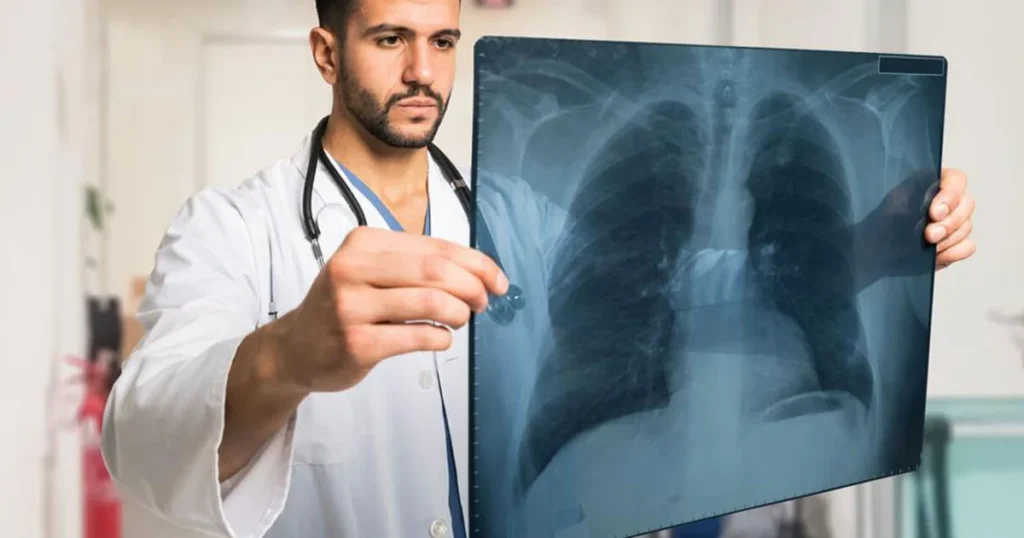
Bronchitis can turn into pneumonia if the original infection spreads from your bronchial tubes into the deeper air sacs of your lungs, causing a more severe lung infection. But knowing the signs, risk factors, and early interventions can prevent serious complications. Many people assume bronchitis is harmless, yet under certain conditions, it can progress into something much more serious.
If you notice worsening cough, difficulty breathing, or persistent fever, seeking care at our emergency room Pearland Texas ensures timely diagnosis and treatment. Our skilled team provides common ER treatments for respiratory infections, helping prevent progression, reduce complications, and improve recovery outcomes.
What Is Bronchitis
Bronchitis is the inflammation of the bronchial tubes, the pathways that carry air into the lungs. It can be acute (short-term, usually viral) or chronic (long-term, often caused by smoking or environmental irritants). Acute bronchitis leads to coughing, mucus production, and mild discomfort, usually resolving in one to three weeks. Chronic bronchitis involves persistent symptoms over months or years and increases vulnerability to lung infections.
Study Insight: Acute bronchitis affects about 5% of adults each year in the U.S., with viruses causing 85–95% of cases.
Bronchitis Symptoms
- Persistent cough with or without mucus production.
- Chest discomfort or congestion.
- Wheezing or whistling sound while breathing.
- Low-grade fever and fatigue.
- Shortness of breath, especially with activity.
What Is Pneumonia
Pneumonia is an infection of the lungs affecting the alveoli, which fill with fluid or pus, reducing oxygen exchange. It can be bacterial, viral, or fungal, and its severity ranges from mild to life-threatening. Pneumonia disrupts normal lung function, often causing systemic symptoms such as high fever, chills, and fatigue. Early recognition is essential to prevent serious complications, particularly in older adults, children, or people with weakened immunity.
Study Insight: Community-acquired pneumonia has an estimated incidence of 1.5–14 cases per 1,000 person-years globally, showing it’s a significant respiratory illness.
Pneumonia Symptoms
- High fever and chills.
- Cough producing green, yellow, or bloody mucus.
- Rapid or difficult breathing.
- Chest pain when breathing or coughing.
- Extreme fatigue or weakness.
Note to Dev: Kindly add the internal link for March Blog 2 in the highlighted section.
Also Read: Is Pneumonia Contagious?
Bronchitis Vs Pneumonia: The Difference
| Feature | Bronchitis | Pneumonia |
| Location of Infection | Bronchial tubes | Lung alveoli (air sacs) |
| Main Cause | Often viral | Viral, bacterial, or fungal |
| Common Fever | Mild or occasional | Often high and persistent |
| Breathing Difficulty | Mild to moderate | Usually more severe |
| Treatment Needs | Usually supportive care | Requires targeted medical treatment |
Read More About: Difference Between Pneumonia and Bronchitis
Could Bronchitis Turn Into Pneumonia
Bronchitis can progress to pneumonia if the infection spreads from the bronchial tubes into the lung alveoli. This is more likely when symptoms worsen instead of improving, breathing becomes harder, or systemic signs like high fever appear. People with weakened immunity, chronic lung conditions, or delayed care are at higher risk. Early recognition and intervention are key to preventing serious complications.
H2: Treatments
Treating bronchitis or pneumonia depends on severity, type of infection, and patient health. Supportive care helps with symptom relief in both, but pneumonia—especially bacterial—often requires more specific medical treatment. Early care improves recovery speed, prevents complications, and reduces hospitalizations.
How To Treat Bronchitis
- Rest and Hydration: Adequate rest and water intake help the body fight infection and loosen mucus.
- Over-The-Counter Medicines: Most doctors recommend OTC cough suppressants or expectorants to relieve cough and mucus.
- Humidified Air: Steam inhalation or a humidifier soothes irritated airways and aids breathing.
- Bronchodilators: For wheezing or breathing difficulty, inhalers may be prescribed to open airways.
- Avoid Irritants: Smoking and air pollution worsen symptoms and delay recovery.
How To Treat Pneumonia
- Antibiotics: Most doctors recommend antibiotics for bacterial pneumonia to eliminate the infection.
- Antiviral or Antifungal Medications: Used when the infection is viral or fungal.
- Oxygen Therapy: Supports breathing in severe cases.
- Fluid Intake and Rest: Essential for recovery and immune function.
- Hospital Care: Severe cases may need hospitalization for IV treatment and monitoring.
Care for Bronchitis and Pneumonia at Texas Emergency Care Center
Wondering can bronchitis turn into pneumonia? Early recognition and prompt care are essential to prevent complications. At Texas Emergency Care Center, our skilled team provides quick evaluation, accurate testing, and personalized treatment plans to help protect your lungs and overall health.
If you are experiencing persistent cough, fever, or difficulty breathing, timely intervention is crucial. Texas Emergency Care Center offers expert guidance, symptom management, and advice on how to prevent your condition from worsening, ensuring a safer and faster recovery.