


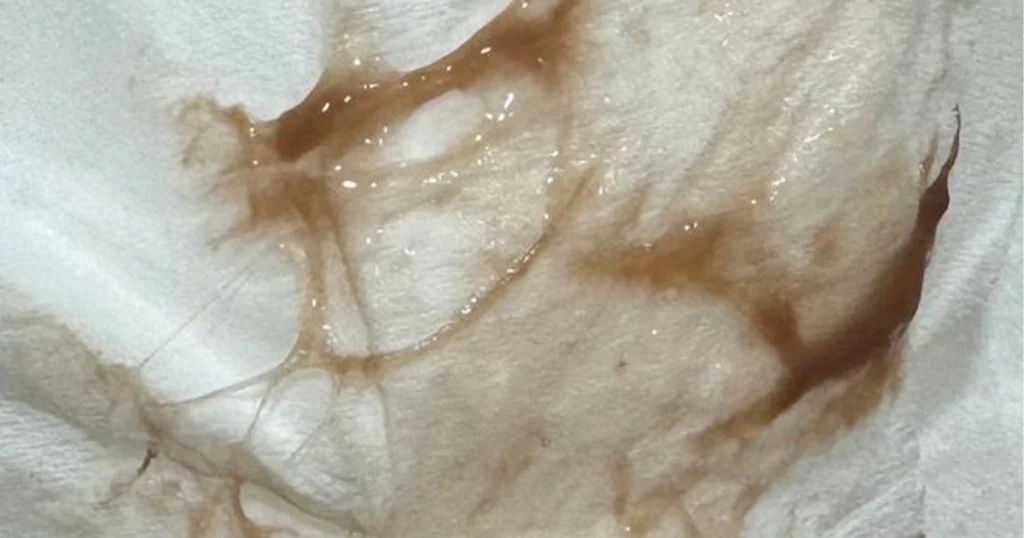
Brown mucus can be alarming, especially if you usually notice clear or white mucus. Asking “Why is my mucus brown?” is common, and changes in mucus color often indicate that your respiratory system is clearing irritants, old blood, or environmental debris.
Brown phlegm or phlegm with brown flecks may appear after a cold or other respiratory issues. These changes can help indicate what’s happening in your airways. It’s also common for brown mucus to appear after an upper respiratory infection, though other causes may contribute.
What Does Brown Mucus Mean?
Brown mucus typically develops when old blood, smoke residue, or inhaled pollutants mix with airway secretions, giving phlegm a brown or rusty color. It can also occur during infections when inflammation causes minor bleeding that discolors mucus. A study of over 13,000 patients in the EMBARC registry found that darker, more purulent sputum, including brown-tinged mucus, was linked to higher airway inflammation and more frequent respiratory flare-ups.
Symptoms of Brown Mucus
When you notice brown mucus, it often indicates that your airways are trying to expel irritants or infection. Common signs include:
- Persistent coughing up brown mucus or brown phlegm.
- Thick, rubbery mucus from the throat.
- Phlegm with brown flecks or with brown spots.
- Brownish-yellow mucus.
- Brown phlegm with blood or mucus and brown discharge in sputum.
- Brown mucus spit or brown mucus from the nose.
Also Read: Why Is My Mucus Black
Reasons Your Mucus Is Brown
Brown mucus is often your body’s way of clearing debris, pollutants, or minor bleeding from your airways. While it is sometimes harmless, persistent or worsening brown mucus may indicate underlying respiratory issues that require attention.
Smoking or Tar Exposure
Cigarette smoke, vaping, and marijuana inhalation deposit tar and toxic particles in the lungs. Over time, the body produces brown mucus or brown phlegm to expel these substances. Regular smokers often notice coughing up brown mucus as their lungs work to remove accumulated toxins. Long-term smoking can also reduce lung immunity, making infections more likely.
Air Pollution or Environmental Irritants
Dust, smog, industrial chemicals, and other pollutants can irritate the airways. Your respiratory system responds by producing brown-colored mucus to trap and remove these particles. This process may also lead to mucus and brown discharge from the nose or throat. Wearing masks or using air purifiers can help reduce exposure.
Respiratory Infections
Viral or bacterial infections like bronchitis, pneumonia, or upper respiratory infections cause airway inflammation and sometimes minor bleeding. This blood mixes with mucus, creating brown phlegm or phlegm with brown flecks, which may appear in brown mucus from the nose or brown mucus in the throat. Prompt treatment can prevent the infection from worsening and reduce mucus discoloration.
Chronic Lung Conditions
Chronic bronchitis, COPD, or bronchiectasis cause long-term inflammation and mucus production. These conditions often lead to thick, rubbery mucus from the throat or brown mucus spit, which can persist between flare-ups and require management to prevent complications. Regular monitoring and pulmonary therapy can help control symptoms.
Lung Abscess or Severe Infection
A lung abscess or serious pneumonia can damage lung tissue, allowing blood or pus to mix with mucus. The resulting brown phlegm with blood or thick brown mucus and cough signals the need for prompt medical evaluation. Early diagnosis and antibiotics can prevent further lung damage.
Fungal Exposure or Allergens
Inhaling fungal spores or allergens can trigger airway inflammation and mucus production. Over time, trapped debris and immune cells can discolor mucus, causing brown mucus or phlegm with brown flecks, sometimes seen as brown mucus in the throat or brown mucus from the nose. Identifying the allergen can reduce future episodes.
Recovery from Smoking or Pollutant Exposure
After quitting smoking or reducing exposure to pollutants, the lungs work to expel accumulated tar and debris. This cleansing may result in brown mucus spit or brown phlegm, helping restore healthier airway function. This process may take weeks, and consistent hydration can speed up mucus clearance.
Minor Nose or Throat Bleeding
Minor irritation in the nose or throat can cause small amounts of blood to mix with mucus, giving it a brown or rust-colored appearance. Dry air, allergies, frequent coughing, or mild infections are common triggers. While occasional discoloration is usually harmless, persistent or heavy bleeding should be medically evaluated.
When Brown Mucus Is an Emergency?
While most brown mucus is not immediately dangerous, certain symptoms require urgent medical attention. If brown phlegm or brown mucus from the nose or throat occurs with the following, seek care promptly: Signs to watch for:
- Sudden chest pain or tightness.
- Shortness of breath or difficulty breathing.
- Large amounts of blood in phlegm.
- High fever, chills, or persistent fever.
- Unexplained weight loss, night sweats, or fatigue.
If these symptoms appear with brown mucus, contact Texas Emergency Care Center immediately for evaluation and treatment.
How to Get Rid of Mucus?
While your body often clears mucus naturally, you can support the process with hydration, avoiding irritants, and proper treatment of underlying causes. These steps can help reduce brown phlegm and ease coughing. Treatment options for brown mucus include:
- Hydration and Steam Inhalation: Drinking fluids and inhaling steam thins thick or rubbery mucus, making it easier to clear from the airways.
- Expectorants: Over-the-counter medications loosen brown phlegm or thick mucus from the throat or lungs.
- Avoiding Irritants: Reducing exposure to smoke, dust, and pollutants prevents further irritation and brown mucus production.
- Medical Treatment for Infections: Bacterial pneumonia or bronchitis may require antibiotics or other prescribed medications.
- Pulmonary Hygiene for Chronic Conditions: Airway clearance therapy, inhalers, or chest physiotherapy can help patients with chronic lung diseases manage thick brown mucus.
- Allergy and Fungal Management: Antihistamines or antifungal treatments may reduce airway inflammation and brown mucus.
- Lifestyle Changes: Quitting smoking and improving indoor air quality can significantly decrease brown-colored mucus over time.
Get Expert Help for Brown Mucus at Texas Emergency Care Center
Are you asking, “Why Is My Mucus Brown?” Persistent or worsening brown mucus can indicate irritation, infection, or other underlying respiratory issues. At Texas Emergency Care Center, our medical team carefully evaluates your symptoms, identifies possible causes, and provides personalized care to manage brown mucus effectively.
Whether it’s brown phlegm, thick, rubbery mucus from the throat, or mucus with brown flecks, Texas Emergency Care Center offers timely assessment and targeted treatment. With professional intervention, you can ease discomfort, protect your airways, and prevent complications, ensuring your respiratory system stays healthy.