


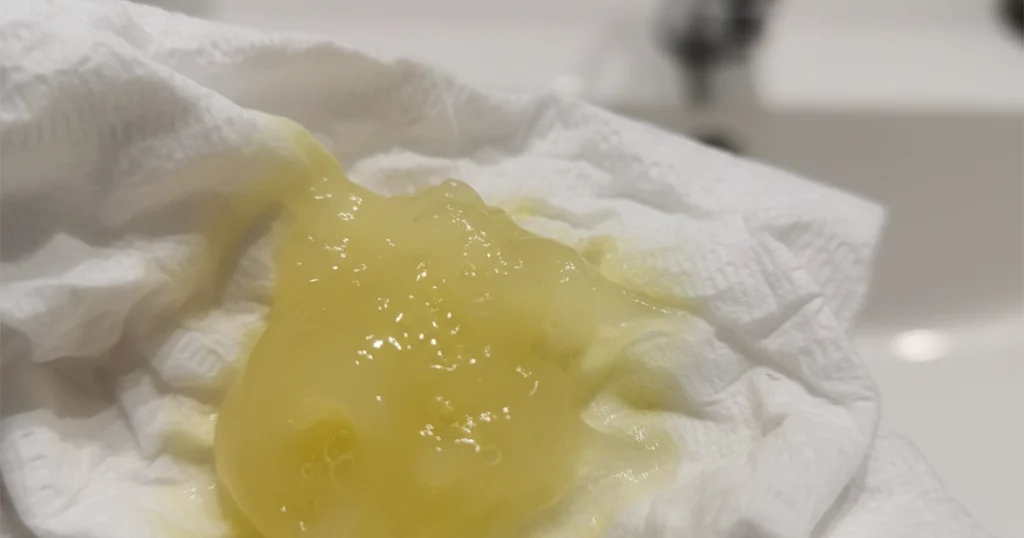
Noticing a change in your mucus color can be concerning, especially when you wonder, why is my mucus yellow, and whether it signals a serious problem. Yellow mucus often reflects your immune system responding to irritation, infection, or inflammation in the airways, which is usually part of the body’s normal defense.
While yellow mucus is commonly linked to colds and sinus issues, it can also appear with allergies, environmental irritants, and other respiratory infections. Knowing what this color change means, its causes, and when to seek medical care helps you respond effectively and avoid unnecessary worry.
What Does It Mean When Mucus Is Yellow
Yellow mucus forms when white blood cells rush to fight infection or inflammation, releasing enzymes that give mucus its yellow or dark yellow color. This does not automatically indicate a bacterial infection or the need for antibiotics. In a clinical study of adults with acute cough, only about 12% of patients with yellowish or greenish sputum had a confirmed bacterial infection.
What Does Yellow Mucus Indicate
- Your immune system is actively responding to irritation or infection.
- Inflammation in the nasal passages or sinuses.
- Slower mucus movement allows debris to accumulate.
- Thickened secretions due to dehydration or congestion.
- Possible progression of a cold or sinus condition.
Reasons Your Mucus Is Yellow
Yellow mucus develops due to how your respiratory system reacts to infection, allergens, or environmental triggers. It often reflects the stage of illness rather than severity. Identifying the underlying cause helps guide care, prevent complications, and support recovery.
Common Cold
The common cold is a frequent cause of yellow mucus. White blood cells gather in the nasal passages to fight the virus, thickening mucus and changing its color. Thick yellow mucus from the nose often appears a few days into the cold rather than at the start. This change usually indicates immune activity and improves within 7–10 days without antibiotics.
Sinus Infection (Sinusitis)
Sinus infections occur when trapped mucus allows germs to grow inside the sinus cavities. This leads to thick yellow mucus, facial pressure, congestion, and headaches. Sinus infection mucus color may appear dark yellow or green and yellow snot due to prolonged inflammation. Symptoms lasting more than 10 days or worsening after initial improvement may indicate bacterial sinusitis.
Postnasal Drip
Postnasal drip occurs when excess mucus drains from the nose into the throat instead of outward. Yellow mucus from the throat or yellow mucus in the throat is common with sinus irritation, colds, or allergies. This drainage can cause throat clearing, coughing, and hoarseness. Mucus may appear thicker in the morning or when lying down.
Allergies
Allergies often cause clear mucus, but ongoing inflammation can turn it yellow over time. Swollen nasal tissues slow mucus flow, allowing debris and immune cells to collect. This can lead to yellow nasal phlegm even without infection. Allergy-related mucus often improves when triggers are treated or avoided.
Dehydration
Dehydration reduces the water content in mucus, making it thicker and harder to move. Dark yellow mucus or thick yellow mucus may develop in the nose or throat. Thick secretions trap more particles and appear darker. Increasing fluid intake helps restore normal mucus consistency.
Environmental Irritants
Smoke, pollution, strong odors, and chemical fumes can irritate the nasal lining. This stimulates excess mucus production as the body tries to trap harmful substances. Yellow liquid from the nose or yellow phlegm color may appear after repeated exposure. Symptoms usually improve once the irritant is removed.
Respiratory Infections
Lower respiratory infections like bronchitis can cause yellow mucus in the throat and chest congestion. The color change occurs as immune cells respond to inflammation in the airways. Yellow phlegm color alone cannot determine whether the infection is viral or bacterial. Cough, fatigue, and chest tightness often accompany mucus changes.
Nasal Bleeding or Trauma
Minor nosebleeds or nasal irritation can mix blood with normal mucus. As blood breaks down, it can give mucus a yellow, brown, or rust-colored tint. Nasal blood mucus may occur after frequent nose blowing, dry air exposure, or minor injury. Using humidified air can help prevent further irritation.
When Yellow Mucus Is Dangerous
Yellow mucus becomes concerning when it persists, worsens, or is accompanied by severe symptoms. While most cases resolve on their own, certain signs indicate urgent medical evaluation.
- High fever lasting more than three days.
- Severe facial pain or swelling.
- Shortness of breath or chest pain.
- Thick yellow mucus lasting longer than 10 days.
- Bright fluorescent yellow snot with worsening symptoms.
If these occur, contact Texas Emergency Care Center promptly for professional evaluation and treatment.
Yellow Mucus Treatment
Treatment focuses on addressing the underlying cause, easing symptoms, and supporting natural healing. Many cases improve with supportive care, while others may require medical intervention based on severity.
- Hydration: Drinking plenty of fluids thins thick yellow mucus and helps clear nasal passages.
- Saline Nasal Spray or Rinse: Flushes irritants, reduces congestion, and improves yellow nasal phlegm.
- Decongestants (e.g., Pseudoephedrine): Reduce nasal swelling and improve drainage when used short-term.
- Antihistamines (e.g., Loratadine): Help when allergies contribute to yellow mucus and postnasal drip.
- Steam Inhalation: Warm steam loosens secretions and relieves sinus pressure.
- Pain Relievers (Acetaminophen or Ibuprofen): Ease discomfort and inflammation associated with sinus pressure.
- Antibiotics: Prescribed only when bacterial infection is confirmed or strongly suspected.
- Rest and Humidified Air: Adequate rest and moisture support immune function and
prevent mucus from thickening.
Get Expert Help for Yellow Mucus at Texas Emergency Care Center
Are you asking, “Why is my mucus yellow?” and noticing it persists or worsens? While yellow mucus often signals your body responding to infection, allergies, or irritation, it can sometimes indicate more serious respiratory issues. At Texas Emergency Care Center, our skilled medical team evaluates your symptoms, identifies underlying causes, and provides personalized care to manage yellow mucus safely and effectively.
Whether it’s thick yellow mucus from the nose, yellow mucus from the throat, or yellow nasal phlegm, Texas Emergency Care Center offers timely assessment and treatment. With professional guidance, you can relieve discomfort, protect your airways, and prevent complications, ensuring your respiratory system stays healthy and your recovery is smooth.