



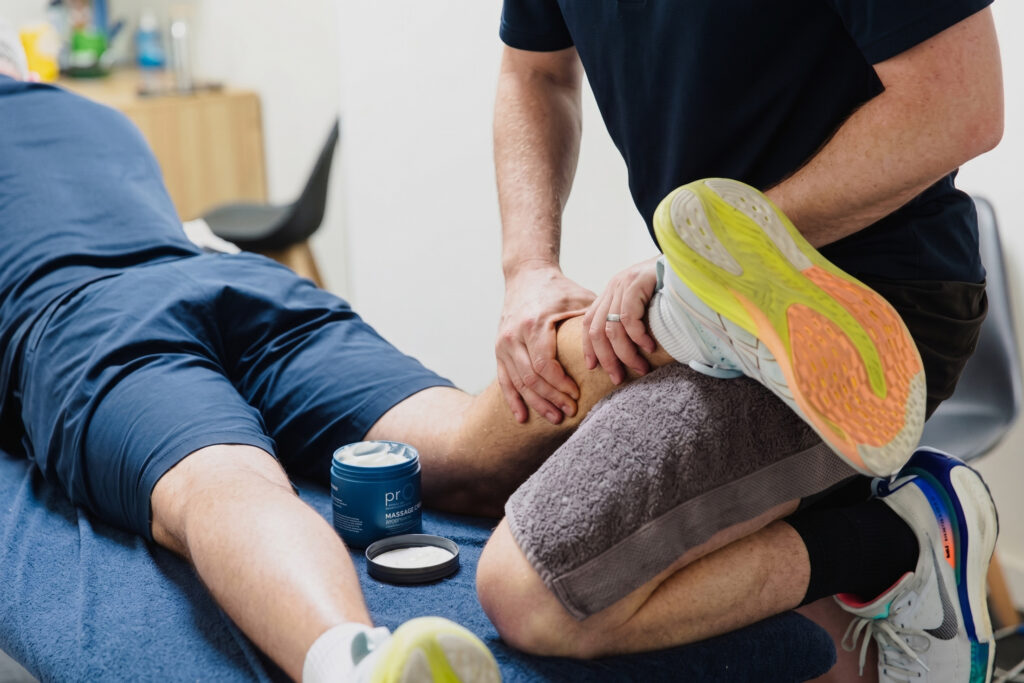
A soft tissue injury can affect muscles, tendons, and ligaments, causing pain, swelling, stiffness, and limited movement. These injuries are common after car accidents, sports activities, falls, or repetitive physical stress. While some cases heal with rest and therapy, severe injuries may require advanced medical evaluation and rehabilitation.
Early treatment helps reduce inflammation, improve mobility, and support a smoother recovery process. Seeking prompt medical attention is important when symptoms become severe or persistent. In trauma-related cases, professional emergency room fracture care can also help patients receive fast and effective treatment for related injuries.
What are soft tissue injuries?
A soft tissue injury occurs when muscles, tendons, or ligaments are stretched, torn, or damaged due to sudden impact or overuse. These injuries often cause pain, swelling, bruising, and difficulty moving the affected area. If symptoms become severe after an accident or fall, seeking care at a facility offering minimal to no wait times and shorter ER wait times can help ensure immediate evaluation, prompt diagnosis, and faster access to the treatment you need.
Common Types of Soft Tissue Injury
Soft tissue injuries can affect muscles, ligaments, tendons, and other connective tissues throughout the body. The severity of these injuries depends on the force of impact, repetitive strain, and the area involved.
Sprains
A sprain occurs when ligaments stretch or tear due to sudden twisting, falls, or impact injuries. Ankles, knees, and wrists are the joints most commonly affected by sprains because they are heavily involved in movement and balance. Common symptoms include pain, swelling, bruising, and difficulty moving the affected joint normally. Severe sprains may also cause joint instability and require medical treatment or rehabilitation for proper healing.
Strains
Strains involve stretched or torn muscles or tendons caused by overuse, heavy lifting, repetitive movement, or sudden physical stress. These injuries commonly affect the lower back, shoulders, neck, and hamstring muscles during physical activity or strenuous work. Symptoms often include muscle spasms, weakness, pain, stiffness, and limited flexibility in the injured area. Proper rest, therapy, and gradual movement are important to support recovery and prevent further tissue damage.
Contusions
Contusions, also called bruises, occur when direct impact damages small blood vessels beneath the skin and surrounding tissues. This injury usually causes discoloration, tenderness, swelling, and soreness in the affected area shortly after trauma. Severe contusions may affect deeper tissues and lead to pain during movement or physical activity. Depending on the severity, recovery may take several days or even weeks for complete healing.
Tendon Injuries
Tendon injuries affect the strong connective tissues that attach muscles to bones and support body movement. These injuries often develop from repetitive motion, sports activities, sudden trauma, or long-term overuse of certain joints. Common symptoms include pain, stiffness, swelling, weakness, and reduced joint flexibility during movement. Without proper treatment and rehabilitation, tendon injuries may worsen over time and affect long-term mobility and strength.
Whiplash Injuries
Whiplash is a neck soft tissue injury caused by rapid forward and backward head movement during accidents. It commonly occurs in rear-end vehicle collisions and may affect muscles, tendons, and ligaments in the neck. Symptoms can include neck pain, headaches, stiffness, and dizziness.
Soft Tissue Injury Symptoms to worry about
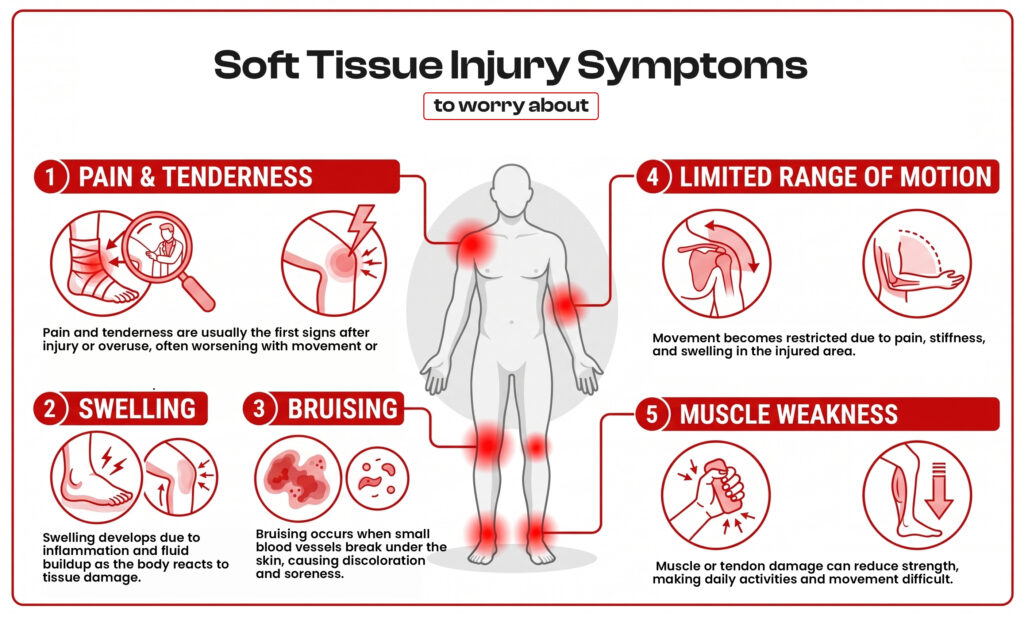
Soft tissue injuries show different symptoms depending on severity and the affected area. Early detection helps in faster recovery and prevents complications.
- Pain and Tenderness: Pain and tenderness are usually the first signs after injury or overuse, often worsening with movement or pressure.
- Swelling: Swelling develops due to inflammation and fluid buildup as the body reacts to tissue damage.
- Bruising: Bruising occurs when small blood vessels break under the skin, causing discoloration and soreness.
- Limited Range of Motion: Movement becomes restricted due to pain, stiffness, and swelling in the injured area.
- Muscle Weakness: Muscle or tendon damage can reduce strength, making daily activities and movement difficult.
Common Causes of Soft Tissue Injury
Soft tissue injuries can occur due to sudden trauma, repetitive stress, or everyday physical activities. These causes often affect muscles, ligaments, and tendons, leading to pain and restricted movement.
- Car Accidents: Sudden impact or collision can strain muscles and ligaments, especially in the neck, back, and shoulders.
- Sports Injuries: High-impact or repetitive sports activities can overstretch or tear soft tissues in different parts of the body.
- Falls and Slips: Losing balance can cause sudden force on joints and muscles, leading to sprains, strains, or bruises.
- Overuse or Repetitive Motion: Repeated physical activity can gradually damage muscles and tendons over time.
- Heavy Lifting: Incorrect lifting techniques or lifting heavy objects can strain muscles and
How Soft Tissue Injuries Are Diagnosed
Soft tissue injuries are diagnosed through a combination of physical examination, symptom review, and imaging tests when needed. Proper diagnosis helps identify the severity of damage and guides the right treatment plan.
- Physical Examination: Doctors check pain levels, swelling, tenderness, and movement limitations in the affected area.
- Medical History Review: The patient’s accident details, activity level, and symptom timeline are evaluated carefully.
- Imaging Tests: MRI or ultrasound may be used to detect muscle, ligament, or tendon damage that is not visible on X-rays.
- Functional Assessment: Movement tests help determine how much the injury affects strength and range of motion.
- Severity Evaluation: The injury is classified as mild, moderate, or severe based on tissue damage and symptoms.
Soft Tissue Injury Treatment Options
Soft tissue injury treatment depends on how severe the damage is and which tissues are affected. The main goal is to reduce pain, control swelling, and restore normal movement.
Medicine for Soft Tissue Injury
Medications are often used to control pain, swelling, and inflammation caused by soft tissue injuries. Doctors may recommend over-the-counter anti-inflammatory medicines or pain relievers to improve comfort during recovery. In cases involving severe pain or muscle spasms, prescription medications may also be provided. Topical ointments and pain-relief gels can help reduce localized discomfort in the affected tissues.
Rest and Activity Modification
Resting the injured area allows tissues to recover without additional strain or irritation. Limiting physically demanding activities helps prevent worsening of the injury and supports safer healing. Patients are usually encouraged to slowly return to normal movement once symptoms begin improving. Proper rest is important for preventing long-term damage and recurring injuries.
Ice Therapy
Cold therapy is commonly applied after injury to decrease swelling, inflammation, and discomfort. Ice helps constrict blood vessels and reduces irritation around damaged tissues. Short sessions of ice application throughout the day may improve healing and relieve pain. Early use of ice therapy is especially beneficial after sudden trauma or physical strain.
Compression and Elevation
Compression wraps or braces help stabilize the injured area while controlling swelling and inflammation. Elevating the affected body part helps improve circulation and reduce fluid accumulation in tissues. These methods work together to decrease pain and support quicker recovery. Proper compression also provides additional support during movement.
Physical Therapy
Physical therapy helps patients regain strength, flexibility, coordination, and normal movement after injury. Rehabilitation exercises are designed to improve muscle support and joint stability gradually. Consistent therapy may reduce stiffness and improve long-term mobility outcomes. Physical therapy also helps lower the risk of future soft tissue injuries.
How long does Soft Tissue take to Heal
Soft tissue injury recovery time varies based on the severity of the damage and the type of tissues involved. Proper treatment, rest, and rehabilitation can significantly improve healing speed and outcomes.
- Mild Injuries: Mild sprains or strains usually heal within a few days to 2 weeks with rest, ice, and limited activity.
- Moderate Injuries: Moderate soft tissue injuries may take several weeks to a few months and often require physical therapy for full recovery.
- Severe Injuries: Severe cases involving torn muscles, ligaments, or tendons can take several months or longer and may need surgery or intensive rehabilitation.
How to Prevent Soft Tissue Injury
Soft tissue injuries can often be avoided by using proper techniques and maintaining good physical habits. Prevention focuses on reducing strain, improving flexibility, and protecting muscles and joints.
- Warm Up Before Activity: Warm-up exercises prepare muscles and ligaments for physical activity and reduce the risk of strains or tears.
- Use Proper Lifting Techniques: Always bend your knees and keep your back straight to avoid unnecessary stress on muscles and tendons.
- Maintain Good Flexibility: Regular stretching improves muscle elasticity and helps prevent sudden injuries during movement.
- Wear Proper Protective Gear: Supportive footwear and safety equipment help reduce impact and protect soft tissues during sports or work.
- Avoid Overuse: Take breaks during repetitive activities to prevent stress and fatigue in muscles and tendons.
Need immediate medical attention? If you develop severe pain, swelling, difficulty moving the injured area, or suspect a serious soft tissue injury, visit an ER near me for prompt evaluation and treatment.
When to See a Doctor for a Soft Tissue Injury
Soft tissue injuries can sometimes heal with rest and home care, but certain symptoms indicate the need for medical attention. Early evaluation helps prevent complications and ensures proper treatment. Texas Emergency Care Center provides 24/7 emergency care with little to no wait for patients experiencing serious soft tissue injuries.
- Severe Pain: Persistent or worsening pain that does not improve with rest may indicate a serious injury.
- Significant Swelling: Rapid or excessive swelling can suggest deeper tissue damage or internal bleeding.
- Limited Movement: Difficulty moving the affected joint or body part may require professional assessment.
- Visible Deformity: Any unusual shape, instability, or suspected tear should be checked immediately.
- Ongoing Symptoms: If pain, swelling, or stiffness continues for several days without improvement, medical care is recommended.
Treatment for Soft Tissue at Texas Emergency Care Center
Soft tissue injuries require quick and proper medical attention to reduce pain, swelling, and prevent long-term complications. Early evaluation at Texas Emergency Care Center can help ensure accurate diagnosis and effective recovery planning.
- Rapid Assessment: Doctors quickly examine the injury to understand severity and identify any underlying damage.
- Pain and Swelling Control: Treatment includes medication, ice therapy, and compression to ease discomfort and inflammation.
- Diagnostic Imaging: Advanced tools like X-rays, MRI, or ultrasound help rule out fractures and detect tissue damage.
- Injury Stabilization: Supports such as braces or wraps are used to protect the injured area and prevent further strain.
Injury stabilization is provided using braces, wraps, or supports to protect the affected area and prevent further strain. ER in Pearland offers timely evaluation, advanced diagnostic support, and comprehensive emergency care to ensure patients receive fast and effective treatment for soft tissue injuries.
Key Takeaways
- Soft tissue injuries affect muscles, tendons, and ligaments, causing pain, swelling, and limited movement.
- Common causes include accidents, sports injuries, falls, and repetitive strain.
- Early symptoms include pain, swelling, bruising, stiffness, and weakness.
- Diagnosis is done through physical exams and imaging tests like MRI or ultrasound.
- Treatment includes rest, medication, ice, compression, elevation, and physical therapy.
- Recovery time ranges from days to months depending on injury severity.
- Prevention involves warm-ups, proper lifting, flexibility, and avoiding overuse.
- Severe or persistent symptoms require prompt medical evaluation.