



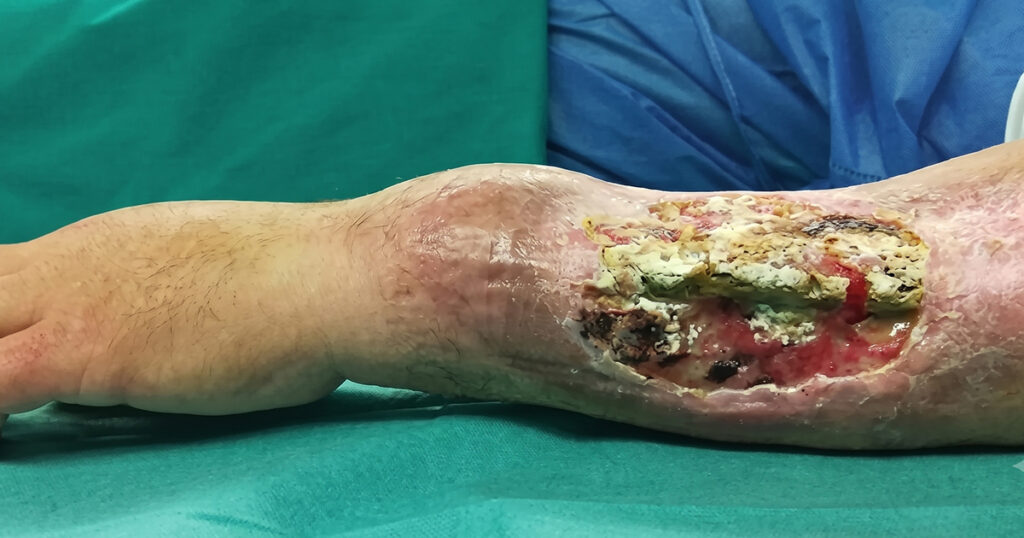
A bone infection, medically known as osteomyelitis, is a serious condition that occurs when bacteria or fungi invade bone tissue and begin to multiply, causing pain, swelling, and damage that can worsen rapidly without proper treatment. Many people first notice persistent pain, unexplained fever, or swelling near a bone without realizing the infection may already be spreading deeper into the tissue. If you are asking what a bone infection is, it often means your body is already showing warning signs that deserve immediate medical attention.
In some cases, bone infections can progress quickly and lead to permanent bone damage or life-threatening complications if not treated early. Severe symptoms such as high fever, intense localized pain, or open wounds near a bone may require immediate evaluation at an ER in Pearland to prevent complications like sepsis or bone tissue death.
Types of Bone Infections
Bone infections are not all the same, and understanding the different types helps identify the right treatment approach early. Each type varies in its development, progression rate, and treatment approach.
- Acute Osteomyelitis: Develops suddenly and progresses rapidly, usually within two weeks of bacterial invasion. It is most common in children and affects the long bones of the arms and legs. Early antibiotic treatment is critical to preventing it from becoming chronic.
- Chronic Osteomyelitis: Develops when an acute infection is not fully treated or keeps recurring over time. It is characterized by persistent pain, recurring infections, and dead bone tissue that harbors bacteria. Treatment requires long-term antibiotics and often surgical removal of infected tissue.
- Vertebral Osteomyelitis: Affects the spine and is most common in older adults or people with weakened immune systems. It causes severe back pain and fever and can lead to spinal cord compression if left untreated. According to the National Institutes of Health, it accounts for 2 to 7 percent of all osteomyelitis cases.
What Causes Bone Infection?
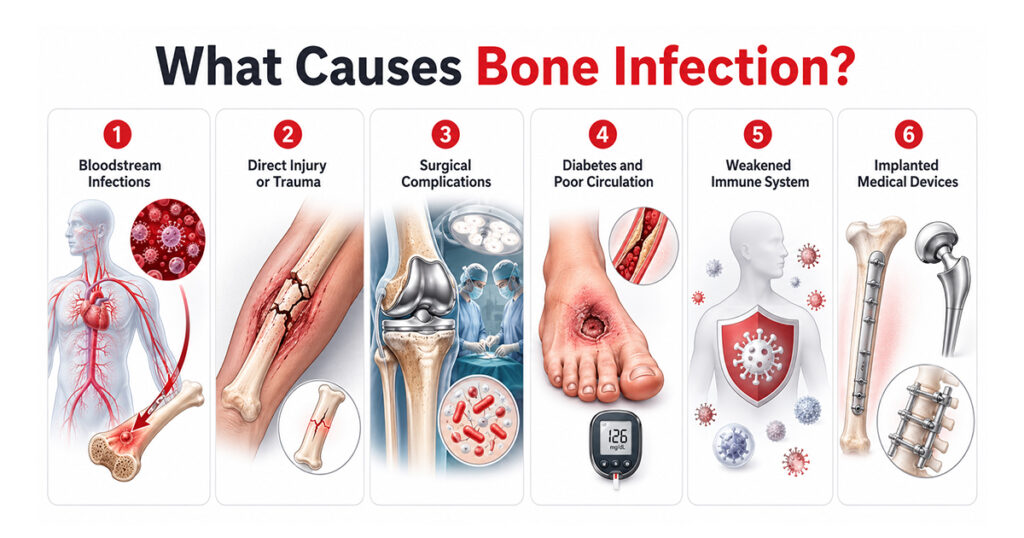
A bone infection can develop through several pathways and become serious quickly if the underlying cause is not identified early. Understanding the causes and risk factors can help you seek timely care at an ER for Severe Infection and avoid complications like permanent bone damage or bloodstream infections.
1. Bloodstream Infections
Bacteria or fungi traveling through the bloodstream from another infection in the body can reach and infect bone tissue, a process known as hematogenous osteomyelitis. Common sources include skin infections, urinary tract infections, respiratory infections, and dental abscesses that are left untreated for too long. This type of bone infection is more common in children and older adults whose immune systems may be less effective at stopping bacteria from spreading.
2. Direct Injury or Trauma
Bone infections can develop when bacteria enter bone tissue directly through an open fracture, deep wound, or penetrating injury that exposes the bone to outside contaminants. Surgical procedures involving bones or joints also carry a risk of introducing bacteria if proper sterile techniques are not followed throughout the process. Even minor injuries that break the skin near a bone can become a pathway for infection if not properly cleaned and monitored.
3. Surgical Complications
Orthopedic surgeries such as joint replacements, bone repairs, or spinal procedures can sometimes introduce bacteria into bone tissue despite strict sterile precautions being taken. Infections following surgery may not become apparent for days or even weeks after the procedure, making them harder to identify and treat quickly. Patients who undergo these procedures should monitor for unusual pain, swelling, or fever and report any changes to their doctor immediately.
4. Diabetes and Poor Circulation
People with diabetes are at significantly higher risk of developing bone infections, particularly in the feet, because of poor blood circulation and reduced ability to fight off infections. Diabetic foot ulcers that go untreated can allow bacteria to reach the underlying bone and cause osteomyelitis that may require hospitalization or even amputation in severe cases. According to the National Library of Medicine, diabetic patients account for a significant proportion of osteomyelitis cases treated in hospitals across the United States.
5. Weakened Immune System
A weakened immune system makes it much harder for the body to fight off bacteria and prevent infections from spreading to the bones. Conditions such as HIV, cancer, autoimmune disorders, or long-term use of corticosteroids can significantly increase the risk of developing osteomyelitis. Even a minor skin infection or small wound can escalate into a serious bone infection when the immune system is not functioning at full capacity.
6. Implanted Medical Devices
Metal plates, screws, rods, and joint replacements used to repair or support damaged bones can sometimes become sites where bacteria attach and form protective biofilms that are difficult to treat. Once bacteria colonize an implanted device, the infection can spread to the surrounding bone tissue and become chronic if not addressed aggressively with antibiotics or surgical intervention. Patients with implanted orthopedic hardware should be especially alert to any signs of infection around the surgical site.
Bone Infection Symptoms
Bone infection symptoms can vary depending on the location of the infection, the age of the patient, and how quickly the infection is progressing. Recognizing the warning signs early is critical because osteomyelitis can cause irreversible bone damage if treatment is delayed.
- Localized Bone Pain: Deep, persistent pain in a specific bone that worsens over time and does not improve with rest or over-the-counter pain medication
- Swelling and Redness: Visible swelling, warmth, and redness over the affected area are classic signs that infection is present in the surrounding tissue
- High Fever and Chills: A fever above 101°F accompanied by chills indicates the body is actively fighting a significant infection that may be spreading
- Fatigue and Weakness: Feeling unusually tired, weak, or generally unwell is a common systemic response to a serious bone infection
- Limited Range of Motion: Stiffness or difficulty moving a joint or limb near the infected bone is a common symptom, especially in children
- Non-Healing Wounds: Open sores or wounds near a bone that refuse to heal despite proper care may indicate an underlying bone infection
- Pus or Drainage: Discharge or pus coming from a wound near the affected bone is a serious sign that requires immediate medical evaluation
How Long Does Bone Infection Take to Heal?
Recovery from a bone infection depends on several factors, including the severity of the infection, the type of bacteria involved, and how quickly treatment was started after symptoms appeared. Acute osteomyelitis treated early with appropriate antibiotics may resolve within 4 to 6 weeks, while chronic cases can take several months of treatment and sometimes require surgical intervention to fully clear the infection. According to the National Institutes of Health, chronic osteomyelitis is particularly challenging to treat and may require long-term antibiotic therapy combined with surgical removal of infected bone tissue to achieve full recovery.
How to Treat Bone Infection
Bone infection treatment focuses on eliminating bacteria, relieving symptoms, and preventing complications like sepsis or permanent bone damage. If symptoms are severe or worsening, visiting an emergency room near me ensures prompt evaluation and the right treatment plan from the start.
- Antibiotics: Intravenous or oral antibiotics prescribed by a doctor are the primary treatment for bone infections and must be taken for the full prescribed duration to fully eliminate the bacteria
- Surgery: In severe or chronic cases, surgical debridement to remove infected or dead bone tissue may be necessary to stop the infection from spreading further
- Hospitalization: Serious bone infections often require hospital admission for intravenous antibiotics, close monitoring, and supportive care throughout the treatment process
- Drainage of Abscesses: If a pocket of pus has formed near the infected bone, surgical drainage may be needed to relieve pressure and remove the infected material
- Bone Grafting: In cases where significant bone tissue has been destroyed, bone grafting procedures may be performed to restore structural integrity after the infection has been cleared
- Treatment of Underlying Conditions: Managing conditions like diabetes or poor circulation that contributed to the infection is essential to prevent recurrence and support full recovery
- Follow-up Care: Regular follow-up appointments and repeated imaging or blood tests are important to confirm that the infection has fully resolved and monitor for any signs of recurrence
When to Go to the ER?
A bone infection can become life-threatening if symptoms are ignored or worsen rapidly without treatment. Mild cases may respond to outpatient antibiotic therapy, but severe symptoms often require immediate emergency care to prevent dangerous complications. Early treatment at a 24/7 emergency room is critical to preventing permanent bone damage, bloodstream infection, or sepsis.
- High fever above 101°F that does not respond to medication
- Severe and rapidly worsening pain in a bone or joint
- Significant swelling, redness, or warmth spreading from the affected area
- Open wounds near a bone that show signs of infection or are not healing
- Pus or discharge draining from a wound near the bone
- Confusion, dizziness, or signs of sepsis, such as rapid heart rate and difficulty breathing
- Inability to bear weight or move a limb due to pain
If you or a loved one experiences any of these symptoms, do not wait to seek care. Visit the ER near me immediately for a full evaluation and prompt treatment.
Bone Infection Care at Texas Emergency Care Center
A bone infection can become serious quickly if symptoms are dismissed or worsen without proper medical attention. Understanding what a bone infection is helps, but prompt emergency evaluation is essential when pain, fever, or swelling near a bone appears and does not improve. At Texas Emergency Care Center, patients receive fast evaluation and urgent treatment for bone infection symptoms. The focus is on identifying the source of infection, controlling its spread, relieving pain, and stabilizing the condition to prevent life-threatening complications like sepsis or permanent bone damage.