



Allergies are one of the most common immune system conditions, affecting millions of people worldwide. They occur when the body reacts abnormally to substances that are usually harmless, such as pollen, dust, food, or pet dander. These substances are called allergens, and the immune system mistakenly treats them as threats. Allergy symptoms can range from mild irritation to severe reactions that interfere with daily life and overall health.
Understanding what causes allergies, how they develop, and when they can become serious is important for proper management and treatment, especially in severe cases where emergency care may be needed at an ER near me or a facility like Texas Emergency Care Center.
What Are Allergies?
Allergies are immune system reactions that occur when the body overreacts to a normally harmless substance. When exposed to an allergen, the immune system releases chemicals like histamine, which cause allergy symptoms.
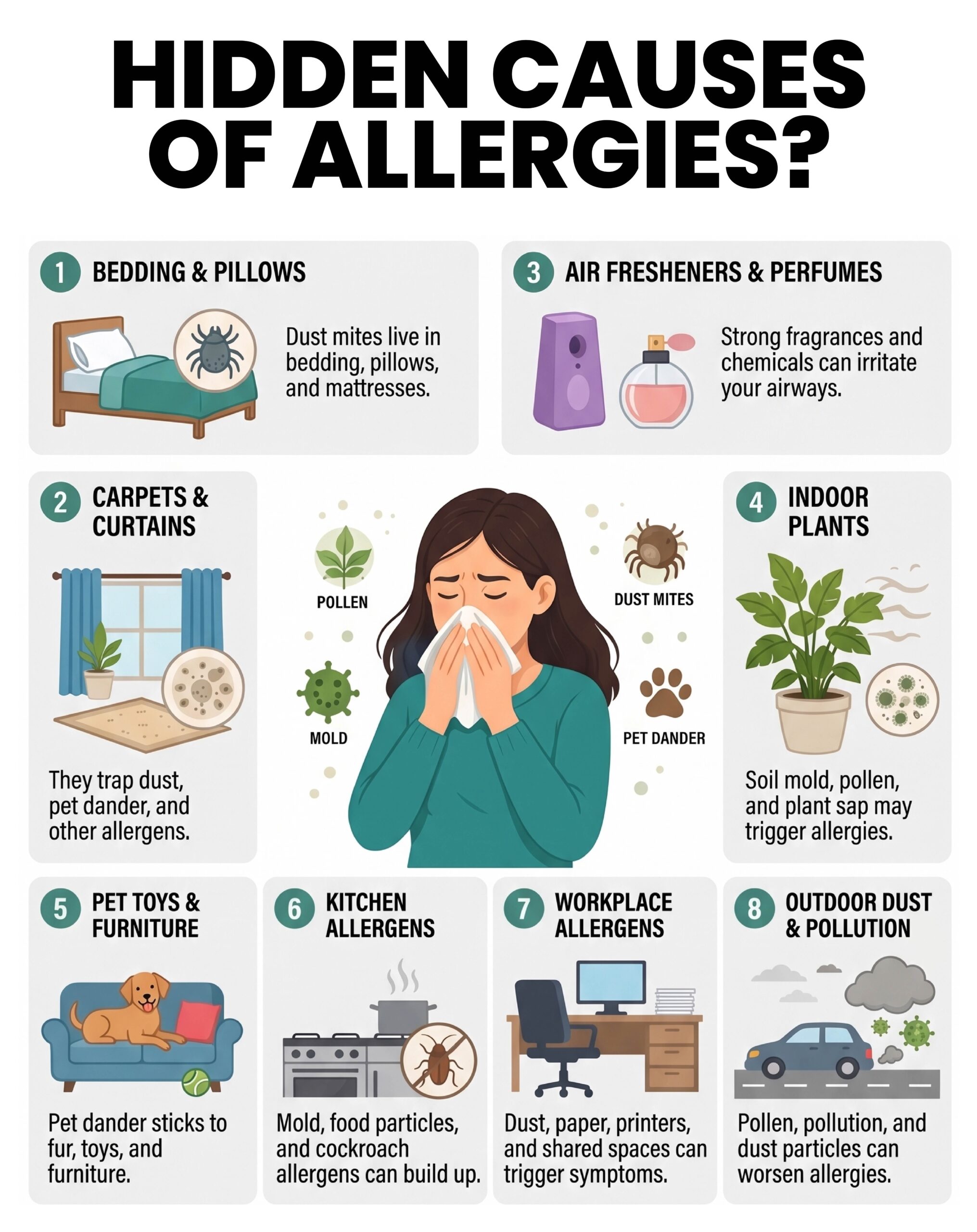
Common allergens include:
- Pollen from trees, grass, and weeds
- Dust mites
- Mold spores
- Pet dander
- Certain foods (peanuts, shellfish, eggs)
- Insect stings
- Medications
What Causes Allergies?
Allergies are caused by an overactive immune response. In a healthy immune system, the body reacts only to harmful substances such as bacteria, viruses, or toxins. However, in people with allergies, the immune system mistakenly identifies harmless substances like pollen, dust, pet dander, or certain foods as dangerous threats.
When exposure to an allergen occurs, the immune system begins a chain reaction designed to “protect” the body. It produces antibodies known as Immunoglobulin E (IgE), which attach to immune cells. These cells then release chemicals such as histamine, leading to inflammation and common allergy symptoms like sneezing, itching, congestion, watery eyes, skin rashes, or breathing difficulties.
When this happens:
- The body produces antibodies called IgE
- These antibodies trigger the release of histamine
- Histamine causes inflammation and allergy symptoms
Allergies can develop at any age and may be triggered by repeated exposure to certain substances over time. Some people only experience mild seasonal allergies, while others may develop severe reactions to foods, medications, or insect stings.
Common causes and risk factors include:
- Genetic predisposition (family history of allergies)
- Environmental exposure to allergens
- Early childhood exposure patterns
- Immune system sensitivity
- Air pollution and environmental irritants
- Existing conditions such as asthma or eczema
In some cases, allergies may worsen over time if triggers are not properly managed. Understanding what causes allergies is an important first step toward preventing reactions, controlling symptoms, and improving long-term health.
Are Allergies Genetic?
Yes, allergies can be genetic. If one or both parents have allergies, asthma, or eczema, their children are more likely to develop allergies as well.
However, genetics is not the only factor. Environmental exposure also plays a major role. A person may inherit the tendency to develop allergies, but the specific allergen and severity can vary widely.
How Long Do Allergies Last?
The duration of allergies depends on the type of allergen involved, the severity of the immune response, and how often a person is exposed to triggers. Some allergies only cause temporary symptoms during certain seasons, while others may persist throughout the year if exposure continues. The length and intensity of symptoms can also vary from person to person based on overall health, environmental conditions, and the effectiveness of treatment or avoidance strategies.
- Seasonal allergies: Last for weeks or months (e.g., pollen season)
- Indoor allergies: Can last year-round (e.g., dust mites, pet dander)
- Food or medication allergies: Symptoms occur shortly after exposure and usually resolve once the allergen is removed
How to Treat Allergies?
Treatment depends on severity. Mild allergies may only require over-the-counter medication, while more severe cases may need prescription treatment. Treatment options include:
- Oral antihistamines for sneezing and itching
- Corticosteroid nasal sprays for inflammation
- Eye drops for itchy or watery eyes
- Inhalers for allergic asthma
- Emergency epinephrine (for severe reactions like anaphylaxis)
For persistent, recurring, or severe allergy symptoms, seeking care from an allergy doctor near me can help identify specific triggers and create a personalized treatment plan. An allergy specialist may recommend testing, prescription medications, or immunotherapy to better control symptoms and reduce future reactions.
How to Treat Allergies Long-Term?
Long-term allergy management focuses on reducing exposure and controlling immune responses. This may include:
- Allergy testing to identify triggers
- Immunotherapy (allergy shots)
- Regular use of preventive medications
- Environmental control strategies
With proper long-term treatment and trigger management, many people are able to significantly reduce the frequency and severity of allergy symptoms over time. Consistent care can improve breathing, sleep quality, skin health, and overall daily comfort while lowering the risk of severe allergic reactions.
When to Go to the ER for Allergies?
Most allergies are not life-threatening, but some reactions can become medical emergencies. You should seek immediate emergency care if you experience:
- Difficulty breathing or shortness of breath
- Swelling of the face, lips, or throat
- Severe hives or widespread rash
- Dizziness or fainting
- Signs of anaphylaxis (a severe allergic reaction)
Early treatment and long-term management can also help prevent complications such as asthma attacks or severe allergic responses. In such cases, going to an ER near me or a specialized facility like Texas Emergency Care Center can be life-saving.
Key Takeaways
- Allergies happen when the immune system overreacts to harmless substances.
- Common allergy triggers include pollen, dust, food, mold, and pet dander.
- Genetics and environmental exposure both increase allergy risk.
- Most allergy symptoms can be controlled with medication and trigger avoidance.
- Severe allergic reactions require immediate emergency medical care.
Frequently Asked Questions
What Causes Peanut Allergy?
Peanut allergy occurs when the immune system mistakenly identifies peanut proteins as harmful substances. This triggers the release of chemicals like histamine, which can cause symptoms ranging from mild itching to severe allergic reactions. Genetics may increase the risk, especially in people with a family history of allergies, asthma, or eczema. Even small amounts of peanuts can trigger reactions in sensitive individuals, making early diagnosis and avoidance extremely important.
What Causes Food Allergies?
Food allergies are caused by an abnormal immune response to certain proteins found in foods. Common trigger foods include peanuts, tree nuts, milk, eggs, shellfish, soy, and wheat. When a person with a food allergy eats the trigger food, the immune system releases chemicals that cause symptoms such as hives, swelling, stomach pain, breathing difficulty, or anaphylaxis. Both genetic factors and environmental exposure may contribute to the development of food allergies over time.
Can Allergies Develop Later in Life?
Yes, allergies can develop at any age, even in people who never had allergy symptoms before. Changes in the immune system, environmental exposure, hormonal changes, or repeated contact with allergens may trigger new allergies over time. Adults can suddenly develop seasonal allergies, food allergies, or sensitivities to medications and pets. If new or worsening symptoms appear, medical evaluation and allergy testing can help identify the cause and guide proper treatment.