



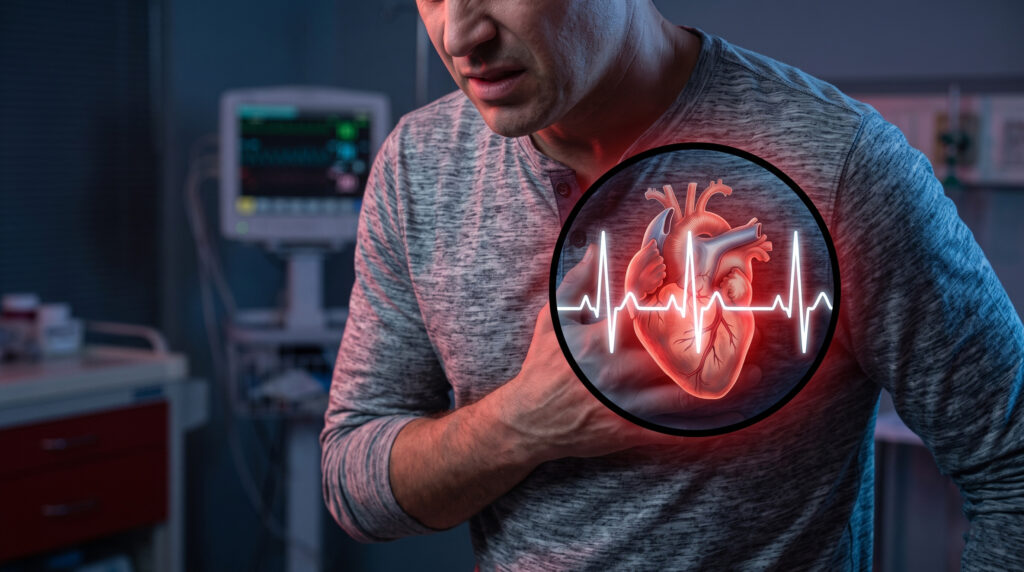
A heart attack occurs when blood flow to part of the heart becomes blocked, preventing oxygen from reaching the heart muscle. Without quick treatment, the affected heart tissue can become damaged or begin to die. Heart attacks are medical emergencies that require immediate care to reduce complications and improve survival.
Many people recognize heart attacks by severe chest pain, but symptoms can vary from person to person. Some may experience mild warning signs that develop gradually, while others may have sudden and intense symptoms. Understanding the signs of a heart attack and knowing when to seek emergency cardiac care can save lives.
What Happens During a Heart Attack?
During a heart attack, one or more coronary arteries become blocked, usually due to a buildup of fatty deposits called plaque. When plaque ruptures, a blood clot can form and suddenly stop blood flow to the heart muscle.
Without oxygen-rich blood, the heart tissue begins to weaken and may suffer permanent damage if treatment is delayed. The longer the blockage remains untreated, the greater the risk of severe complications such as heart failure, abnormal heart rhythms, or cardiac arrest.
What Causes a Heart Attack?
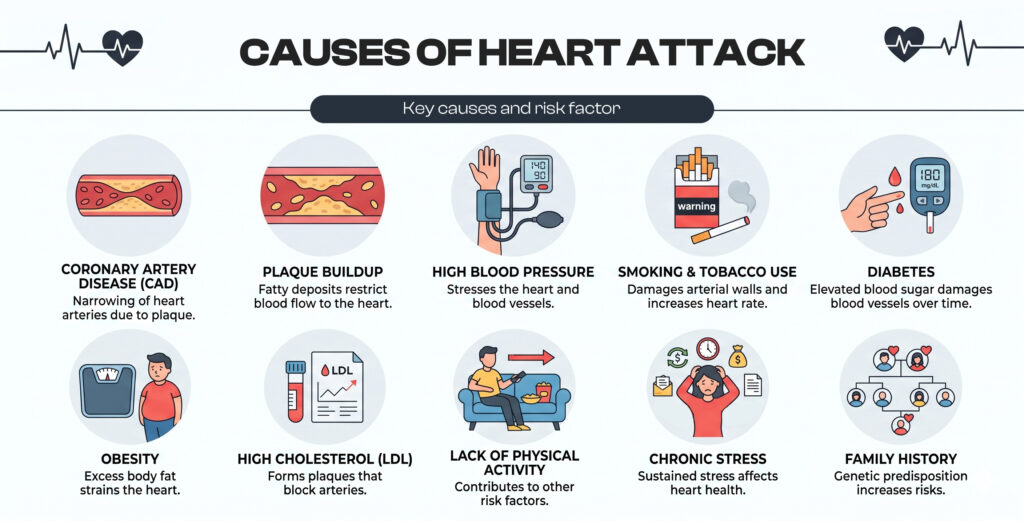
Heart attacks are most commonly caused by coronary artery disease, a condition where plaque builds up inside the arteries supplying blood to the heart. Over time, narrowed arteries reduce blood flow and increase the risk of blockage.
Common causes and risk factors include:
- Coronary artery disease: The most common cause of heart attacks, coronary artery disease occurs when the arteries supplying blood to the heart become narrowed or hardened over time. This reduces blood flow and increases the risk of complete blockage.
- Plaque buildup in the arteries: Fat, cholesterol, and other substances can accumulate inside artery walls, forming plaque. If plaque ruptures, a blood clot may form and suddenly block blood flow to the heart.
- High blood pressure: Uncontrolled high blood pressure forces the heart to work harder and damages blood vessels over time. This damage increases the likelihood of plaque buildup and heart-related complications.
- Smoking or tobacco use: Smoking damages blood vessels, lowers oxygen levels in the blood, and increases the risk of clot formation. Tobacco use is one of the leading preventable causes of heart disease and heart attacks.
- Diabetes: High blood sugar levels can damage blood vessels and nerves that control the heart. People with diabetes often have a higher risk of developing heart disease and experiencing heart attacks.
- Obesity: Excess body weight places added strain on the heart and is linked to conditions such as high blood pressure, diabetes, and high cholesterol. These factors significantly increase cardiovascular risk.
- High cholesterol: Elevated cholesterol levels can contribute to plaque buildup inside arteries. Over time, narrowed arteries reduce healthy blood flow and increase the risk of blockage.
- Lack of physical activity: A sedentary lifestyle can lead to poor circulation, weight gain, high blood pressure, and weakened heart health. Regular exercise helps strengthen the heart and improve blood flow.
- Chronic stress and unhealthy lifestyle habits: Long-term stress may raise blood pressure and encourage unhealthy habits such as overeating, smoking, poor sleep, or excessive alcohol use. These factors can increase strain on the cardiovascular system.
- Family history of heart disease: Genetics can play an important role in heart health. People with close relatives who have experienced heart disease or heart attacks may have a higher inherited risk.
People with one or more of these risk factors should pay close attention to their heart health and discuss preventive strategies with their healthcare provider. Recognizing these causes early and seeking prompt evaluation when symptoms occur can help reduce the risk of serious complications. If warning signs of a heart attack develop, visiting a 24/7 emergency room for immediate assessment and treatment may be critical.
Heart Attack Symptoms
Heart attack symptoms can range from mild discomfort to severe pain. Symptoms may appear suddenly or develop gradually over several hours or days.
Common heart attack symptoms include:
- Chest pain or pressure
- Shortness of breath
- Pain in the arm, jaw, neck, shoulder, or back
- Nausea or vomiting
- Sweating
- Fatigue or weakness
- Dizziness or lightheadedness
Women may experience less obvious symptoms such as nausea, fatigue, jaw pain, or shortness of breath without severe chest pain. Because symptoms can vary, any unusual chest discomfort or breathing difficulty should be taken seriously.
Mild Heart Attack Symptoms
Not all heart attacks cause intense chest pain. Some people experience mild heart attack symptoms that are easy to ignore or mistake for indigestion, stress, or muscle strain.
Mild warning signs may include:
- Mild chest pressure or tightness
- Fatigue that feels unusual
- Shortness of breath during normal activity
- Nausea or stomach discomfort
- Pain that comes and goes
Ignoring these symptoms can delay treatment and increase the risk of serious heart damage. Even mild symptoms should be evaluated promptly, especially in people with heart disease risk factors. If symptoms persist, worsen, or are accompanied by shortness of breath, dizziness, or chest discomfort, seeking immediate evaluation at an ER in Pearland can help ensure timely diagnosis and treatment.
Heart Attack vs Heartburn
Heartburn and heart attacks can both cause chest discomfort, but the underlying causes are very different. Heartburn is related to stomach acid irritating the esophagus, while a heart attack involves reduced blood flow to the heart.
Heartburn symptoms may include:
- Burning sensation after eating
- Sour taste in the mouth
- Symptoms that improve with antacids
Heart attack symptoms may include:
- Pressure or squeezing chest pain
- Pain spreading to the arm or jaw
- Sweating and shortness of breath
- Symptoms worsening with activity
What to Do During a Heart Attack?
Acting quickly during a heart attack can save a life and reduce permanent heart damage. Fast treatment is critical because blocked arteries need to be reopened as quickly as possible to restore blood flow.
If you suspect a heart attack:
- Call 911 immediately
- Chew aspirin if advised by emergency responders
- Stay calm and sit or lie down
- Loosen tight clothing
- Do not drive yourself to the hospital
Every minute matters during a heart attack. Delaying treatment can increase the amount of heart muscle damage and raise the risk of serious complications. If you experience chest pain, shortness of breath, or other warning signs, seeking immediate care at an Emergency Room near me can help ensure rapid diagnosis and life-saving treatment.
When to Go to the ER for Chest Pain?
Chest pain should never be ignored, especially when it occurs with symptoms like shortness of breath, dizziness, nausea, or pain spreading to the arm or jaw. Understanding the warning signs early can help prevent serious complications. Learn more about important symptoms in this guide on signs of a heart attack you shouldn’t ignore
Seek immediate emergency care if you experience:
- Sudden chest pressure or tightness
- Difficulty breathing
- Severe dizziness or fainting
- Pain radiating to the upper body
- Persistent nausea with chest discomfort
- Symptoms lasting more than a few minutes
How Heart Attacks Are Diagnosed?
Doctors use several tests to diagnose a heart attack and determine how much damage has occurred. Early diagnosis helps doctors begin treatment quickly and reduce complications.
Common diagnostic methods include:
- ECG/EKG to measure heart activity
- Blood tests to detect heart muscle damage
- Imaging tests such as echocardiograms or CT scans
- Cardiac monitoring to track heart rhythm and stability
How to Prevent a Heart Attack?
Many heart attacks can be prevented through healthy lifestyle habits and proper medical care. Routine medical checkups and early treatment of heart disease risk factors are also important for prevention.
Ways to lower heart attack risk include:
- Eating a heart-healthy diet
- Exercising regularly
- Managing blood pressure and cholesterol
- Controlling diabetes
- Maintaining a healthy weight
- Quitting smoking
- Limiting alcohol intake
- Managing stress effectively
Heart Attack Treatment
Heart attack treatment focuses on restoring blood flow to the heart as quickly as possible. Recovery often includes cardiac rehabilitation, healthier eating, regular exercise, quitting smoking, and managing conditions such as diabetes or high blood pressure.
Treatment options may include:
- Medications to dissolve clots or reduce strain on the heart
- Oxygen therapy
- Angioplasty and stent placement
- Surgery such as coronary artery bypass grafting (CABG)
- Lifestyle changes after recovery
Prompt treatment is essential for improving outcomes and minimizing heart damage during a heart attack. The sooner blood flow is restored, the greater the chance of preserving heart function and preventing complications. For individuals experiencing symptoms that require immediate evaluation, facilities such as Texas Emergency Care Center can provide rapid assessment, stabilization, and emergency medical care.
Key Takeaways
- A heart attack occurs when blood flow to the heart becomes blocked.
- Chest pain, shortness of breath, and nausea are common warning signs.
- Women may experience different or milder heart attack symptoms.
- Immediate emergency treatment can reduce heart damage and save lives.
- Healthy lifestyle changes can help lower the risk of future heart attacks.
Frequently Asked Questions
Can Stress Cause a Heart Attack?
Yes, severe or chronic stress can increase the risk of a heart attack. Stress may raise blood pressure, increase inflammation, and place extra strain on the heart over time. In some cases, sudden emotional stress can trigger serious heart-related events in people with existing heart disease. Managing stress through exercise, sleep, relaxation techniques, and healthy habits can help protect heart health.
How Long Does a Heart Attack Last?
A heart attack can last anywhere from a few minutes to several hours depending on the severity of the blockage and how quickly treatment is received. Some symptoms come and go, while others remain constant and worsen over time. Chest pain lasting more than a few minutes should never be ignored. Immediate medical care is important to reduce heart muscle damage.
Can You Have a Heart Attack and Not Know It?
Yes, it is possible to have a heart attack without realizing it. This is known as a “silent heart attack,” where symptoms are very mild, unusual, or mistaken for less serious conditions like indigestion, fatigue, muscle strain, or heartburn. Some people may only experience mild chest discomfort, shortness of breath, nausea, or unusual tiredness rather than severe chest pain.