



COVID-19 is a viral respiratory illness caused by the SARS-CoV-2 virus. Since the pandemic began, one of the most common questions people ask is: how long are you contagious with COVID? Understanding this is important for protecting others, preventing spread, and knowing when it is safe to return to normal activities.
While guidelines can vary slightly depending on health authorities and individual circumstances, there are general timelines and symptoms that can help you understand how transmission works. In some cases, people may need medical evaluation or testing at facilities such as an ER in Pearland or urgent care centers like Texas Emergency Care Center, especially if symptoms become severe or complications develop.
What Is COVID?
COVID-19 is a contagious disease caused by the coronavirus SARS-CoV-2. It primarily spreads through respiratory droplets when an infected person coughs, sneezes, talks, or breathes near others.
Common symptoms include:
- Fever or chills
- Cough
- Sore throat
- Fatigue
- Loss of taste or smell
- Body aches
- Congestion or runny nose
How Long Are You Contagious With COVID?
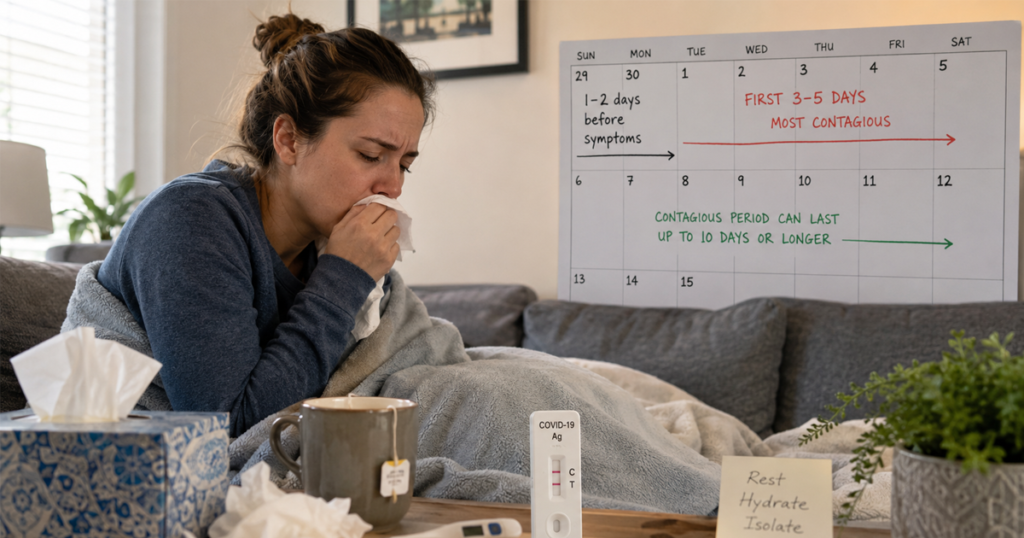
A person with COVID-19 is typically most contagious during the early stages of infection. However, the contagious period can vary based on symptoms, immune response, and severity of illness.
In general:
- You can become contagious 1–2 days before symptoms appear
- You are most contagious during the first 3–5 days after symptoms start
- You may remain contagious for up to 10 days or longer in some cases
What Are COVID Symptoms?
COVID symptoms can range from mild to severe and may appear 2–14 days after exposure.
Common symptoms include:
- Fever or chills
- Dry cough
- Shortness of breath
- Fatigue
- Headache
- Sore throat
- Muscle or body aches
- Loss of taste or smell
How Long Does COVID Last?
The duration of COVID varies depending on the individual.
- Mild cases: typically last 5–10 days
- Moderate cases: may last 1–2 weeks
- Severe cases: can last several weeks or longer
How Long Is COVID Contagious?
Most health guidelines suggest that people are contagious:
- Starting about 1–2 days before symptoms
- Continuing through the first week of illness
- Potentially up to 10 days after symptoms begin
People without symptoms (asymptomatic cases) can still spread the virus, often unknowingly.
Isolation guidelines may vary, but many recommend staying home until:
- Fever has resolved for at least 24 hours without medication
- Symptoms are improving
- At least 5–10 days have passed since symptom onset
How to Treat COVID?
Most mild COVID cases can be treated at home with supportive care.
Common treatment methods include:
- Rest and hydration
- Fever reducers (like acetaminophen or ibuprofen)
- Over-the-counter cold medications
- Monitoring oxygen levels if advised
- Isolation to prevent spreading
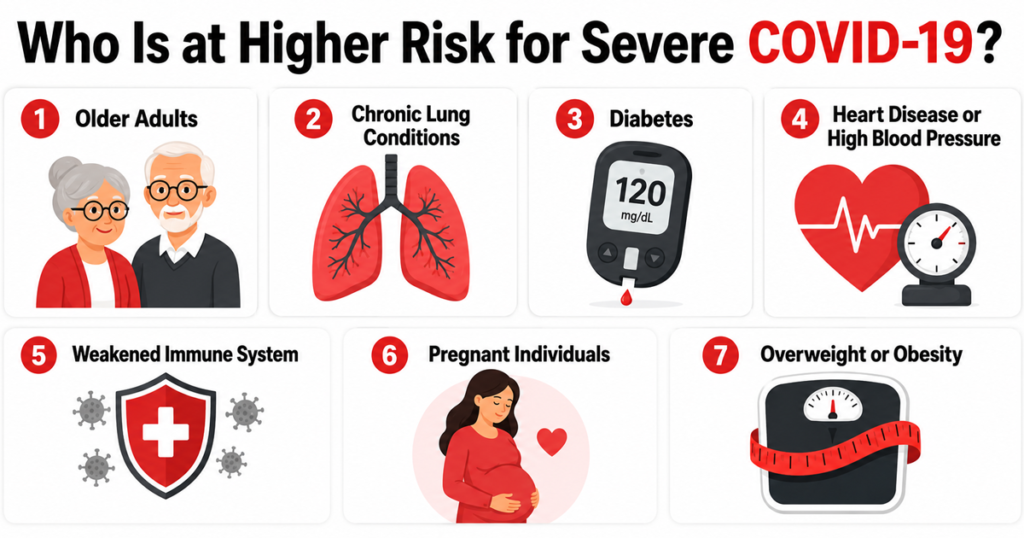
Antiviral medications may be prescribed for high-risk individuals or people with more severe COVID symptoms. These treatments work best when started early after symptoms begin. Always consult a healthcare provider to determine the most appropriate treatment based on your condition and medical history.
Rapid COVID Testing Near Me
Rapid COVID testing near me is an important tool for quickly determining whether someone has COVID-19. These tests can often provide results within minutes to hours.
Testing may be recommended if you:
- Have symptoms
- Were exposed to someone with COVID
- Need confirmation before travel or work
If symptoms are severe or worsening, testing at an emergency or urgent care facility such as Texas Emergency Care Center or an emergency department like ER in Pearland may be necessary.
How to Avoid Spreading COVID-19?
Preventing transmission is key to controlling the spread of COVID-19. According to public health guidance, you should:
- Stay home when sick
- Wear a mask in crowded or indoor spaces
- Wash hands frequently
- Maintain physical distance when possible
- Improve ventilation indoors
- Get vaccinated and stay updated on boosters
Following proper prevention measures can significantly reduce the spread of COVID-19 and other respiratory illnesses. Current public health guidance from the CDC recommends staying home when sick, practicing good hand hygiene, improving indoor ventilation, wearing masks in crowded settings when needed, and staying up to date with vaccinations and boosters to help protect yourself and others.
When to Go to the ER?
Most COVID cases do not require emergency care, but you should go to the ER if you experience:
- Difficulty breathing
- Chest pain or pressure
- Confusion or inability to stay awake
- Bluish lips or face
- Severe dehydration
- Oxygen levels dropping below normal
Act Fast to Prevent Spread
Take immediate steps to limit spread: stay home as soon as symptoms appear, avoid contact with others, and monitor your condition closely each day. Only resume normal activities once you’ve been fever-free for at least 24 hours without medication, and your symptoms are clearly improving.
Do not ignore worsening signs. If you develop trouble breathing, chest pain, confusion, or dangerously low oxygen levels, seek emergency care without delay. In urgent situations, visiting a nearby facility like Texas Emergency Care Center can help ensure fast medical attention when it matters most.
Key Takeaways
- People with COVID-19 are usually most contagious during the first 3–5 days after symptoms begin.
- COVID can spread 1–2 days before symptoms appear, including from asymptomatic individuals.
- Most mild COVID cases recover within 5–10 days with rest, hydration, and supportive care.
- Severe symptoms such as breathing difficulty or chest pain require immediate emergency medical attention.
- Preventive measures like masking, handwashing, vaccination, and isolation help reduce COVID-19 transmission.
Frequently Asked Questions
How long should I quarantine after a positive COVID test?
Current guidance generally recommends staying home and isolating for at least 5 days after a positive test. You should continue isolation until symptoms are improving and you are fever-free for 24 hours without medication. Wearing a mask for several additional days after isolation helps reduce the risk of spreading the virus.
What are the worst days of COVID-19?
For many people, the worst symptoms tend to appear around days 2 to 5 after infection. During this time, fever, fatigue, body aches, and respiratory symptoms are often at their peak. However, severity can vary depending on immunity, vaccination status, and overall health.
Are you still contagious with COVID-19 after 5 days?
Yes, it is still possible to be contagious after 5 days, especially if symptoms are ongoing. While viral levels often decrease, some individuals can still spread the virus beyond this period. Wearing a mask and monitoring symptoms is important until full recovery.
If I still have a runny nose, am I still contagious with COVID-19?
A runny nose alone does not always mean you are still contagious, but it can be a lingering symptom. If other symptoms are improving and fever is gone, the risk of spreading the virus is lower. However, caution is still recommended until symptoms fully resolve.