



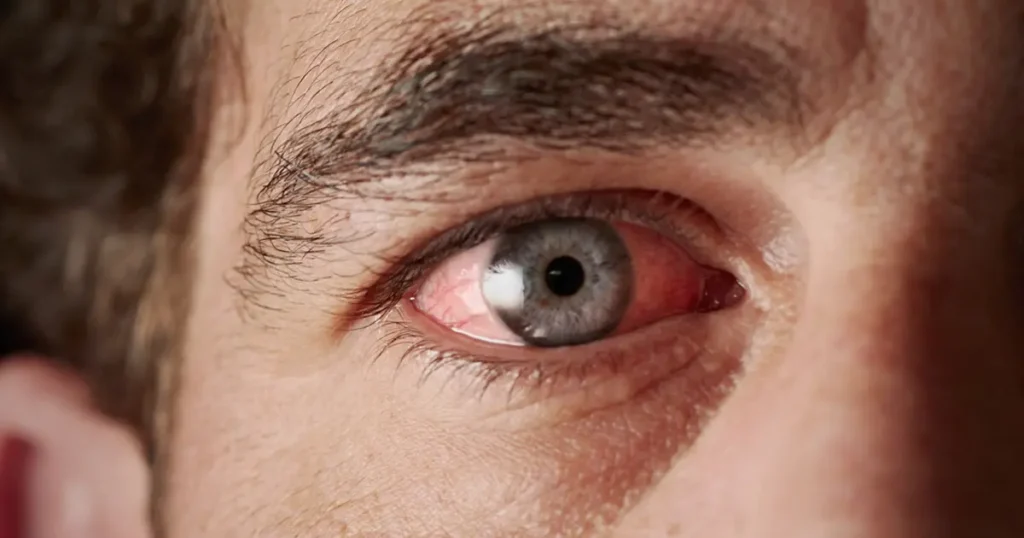
Have you ever wondered, “Why are my eyes so itchy?” Itchy eyes are a common problem that can range from mildly irritating to very uncomfortable. This sensation usually indicates that something is affecting the eyes, such as allergens, environmental irritants, dryness, or an infection.
Itchy eyes can interfere with daily activities, especially when accompanied by redness, tearing, or swelling. While most cases are minor, some may require urgent care. Knowing about common ER treatments helps you understand when to seek medical attention.
What Are Itchy Eyes?
Itchy eyes are the uncomfortable, irritating sensation that makes you want to rub or scratch your eyes. This usually happens when the delicate tissues of the eye become inflamed or irritated due to allergies, dryness, infections, or environmental factors. Itchy eyes can affect people of all ages and sometimes interfere with daily life.
Research shows that allergic eye irritation, such as allergic conjunctivitis, affects up to 40% of the population, with itching as the most common symptom.
Symptoms Of Itchy Eyes
- Persistent urge to rub or scratch the eyes.
- Redness or bloodshot appearance in the whites of the eyes.
- Excessive tearing or watery eyes.
- Burning, stinging, or a gritty sensation.
- Puffy or swollen eyelids.
- Sensitivity to light or discomfort in bright environments.
What Causes Itchy Eyes
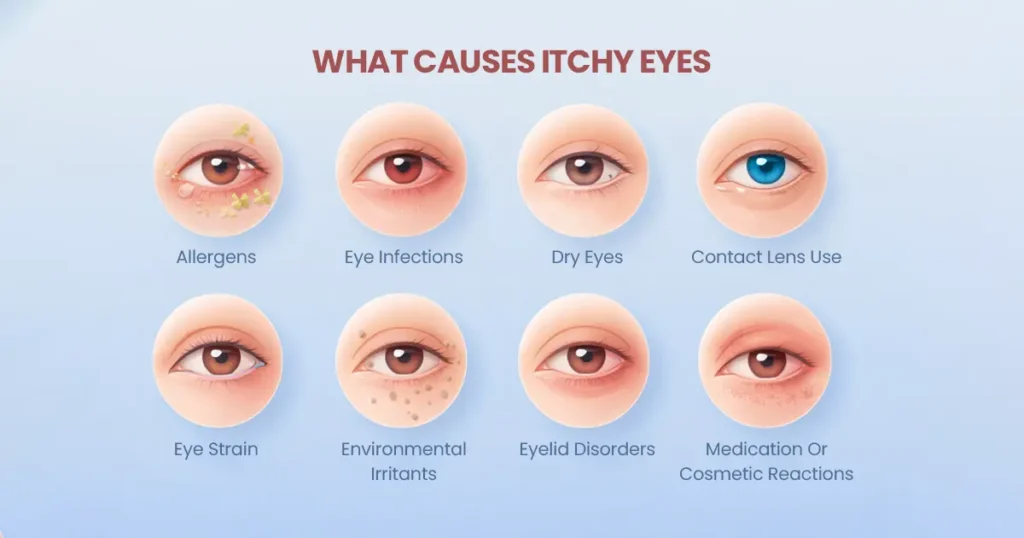
Itchy eyes usually occur when something irritates the surface of the eye or affects the tear film. The main causes include allergies, infections, dryness, contact lens issues, environmental irritants, eyelid disorders, and reactions to medications or cosmetics. Understanding the cause is important for effective relief and prevention.
1. Allergens
Allergens such as pollen, dust, or pet dander are a leading cause of itchy eyes. When these particles contact the eyes, the immune system releases histamines, causing redness, swelling, and persistent itchiness. Limiting exposure, using air filters, and keeping windows closed can help manage symptoms. People with seasonal or year-round allergies may need consistent preventive measures.
2. Eye Infections
Viral or bacterial infections like conjunctivitis can lead to itchy, red, and watery eyes. Bacterial infections often require antibiotics, while viral cases usually resolve on their own but remain contagious. Prompt medical care and proper hygiene prevent complications and reduce the risk of spreading the infection.
3. Dry Eyes
Dry eye syndrome occurs when tear production is insufficient or tears evaporate too quickly, leaving the eyes irritated. This can cause burning, stinging, or a sandy sensation, often accompanied by itchiness. Environmental factors like screen use, air conditioning, or dry climates can worsen symptoms. Artificial tears and lifestyle changes provide effective relief.
4. Contact Lens Use
Improper contact lens use, such as wearing lenses too long, using poorly cleaned lenses, or wearing ill-fitting lenses, can irritate the cornea. This often causes itching, redness, and watery eyes. Following proper hygiene, cleaning routines, and wearing schedules is critical to prevent discomfort.
5. Eye Strain
Extended screen time, poor lighting, or uncorrected vision problems can lead to eye strain, which often causes dryness and itching. Symptoms usually worsen toward the end of the day. Taking regular breaks, adjusting screen brightness, and wearing corrective lenses can significantly reduce strain-related itchiness.
6. Environmental Irritants
Smoke, pollution, wind, and chemical fumes can irritate the eyes, triggering redness, inflammation, and itchiness. Protective eyewear, avoiding exposure, and using indoor air filtration can help prevent irritation. People in industrial or high-pollution areas are especially at risk.
7. Eyelid Disorders
Blepharitis and other eyelid margin disorders cause inflammation along the eyelid edges, leading to itching, burning, and a gritty feeling in the eyes. Chronic cases can flare up periodically if eyelid hygiene is neglected. Gentle cleaning routines and warm compresses help manage symptoms effectively.
8. Medication Or Cosmetic Reactions
Certain medications, eye drops, makeup, or skincare products may cause allergic or irritant reactions. These reactions often result in redness, swelling, and persistent itching. Using hypoallergenic products and avoiding known irritants can reduce risk, and monitoring new products can prevent flare-ups.
Are Itchy Eyes An Emergency?
Most cases of itchy eyes are not emergencies. However, sudden or severe itchiness combined with other symptoms may indicate infection, injury, or inflammation requiring urgent medical attention. Watch for these dangerous symptoms:
- Sudden or severe eye pain.
- Vision changes, blurriness, or loss of vision.
- Sensitivity to light or inability to open the eye.
- Thick yellow or green discharge.
- Significant swelling or one eye worse than the other.
If you notice these symptoms, contact the Texas Emergency Care Center immediately for evaluation and treatment.
How To Relieve Itchy Eyes
Relief starts with addressing the underlying cause. Keeping the eyes clean, avoiding allergens, and maintaining eye hygiene often provide comfort. Cold compresses, staying hydrated, and minimizing rubbing can reduce irritation. The treatments below can help depending on the trigger.
- Antihistamine Eye Drops: Eye drops or oral antihistamines block histamine, reducing allergic itch and redness. OTC options offer fast relief.
- Artificial Tears: Lubricating drops soothe irritation, wash away allergens, and relieve dryness.
- Cold Compress: Applying a clean, cold cloth over closed eyes eases itching and swelling.
- Prescription Medications: Doctors may recommend stronger antihistamines, mast-cell stabilizers, or steroid drops for severe allergic reactions.
- Contact Lens Adjustment: Discontinue or switch lenses, clean them properly, and follow proper wearing schedules.
- Avoid Allergens: Reduce exposure to pollen, dust, and pet dander indoors and outdoors.
- Eyelid Hygiene: For blepharitis, gentle scrubbing and warm compresses help remove debris and reduce inflammation.
- Environmental Controls: Use humidifiers, protect eyes from wind, smoke, and pollutants.
- Systemic Antihistamines: Oral medications like Zyrtec can help reduce allergic symptoms.
- Immediate Care for Red Eye: If you woke up with a red eye, avoid rubbing, apply cold compresses, and consult a doctor if symptoms worsen.
Care for Itchy Eyes at Texas Emergency Care Center
Have you ever woken up and thought, “Why are my eyes so itchy?” I know how frustrating it can feel when irritation won’t go away. At Texas Emergency Care Center, our medical team can help figure out what’s causing the discomfort, whether it’s allergies, dryness, or an infection, and guide you toward effective treatments to relieve your symptoms quickly.
I also learned that addressing itchy eyes early can prevent things from getting worse, like infections or persistent irritation. At Texas Emergency Care Center, our experts provide personalized advice, safe remedies, and practical strategies so your eyes can feel comfortable, clear, and healthy again.