



Chest pain in women isn’t always obvious, and it can quickly become life-threatening. Many women experience not just pressure or tightness in the chest, but also symptoms like shortness of breath, nausea, dizziness, fatigue, or pain spreading to the jaw, back, or arm. In some cases, the discomfort may feel like burning or indigestion rather than classic chest pain.
These symptoms occur because serious conditions such as heart attacks, blood clots in the lungs, or heart-related disorders can present differently in women. Instead of sudden crushing pain, symptoms may be subtle, gradual, or easily mistaken for less serious issues. Understanding what causes chest pain in women is critical, and if symptoms are concerning or persistent, seeking care at an ER in Pearland is important for prompt evaluation.
Chest Pain Symptoms in Women
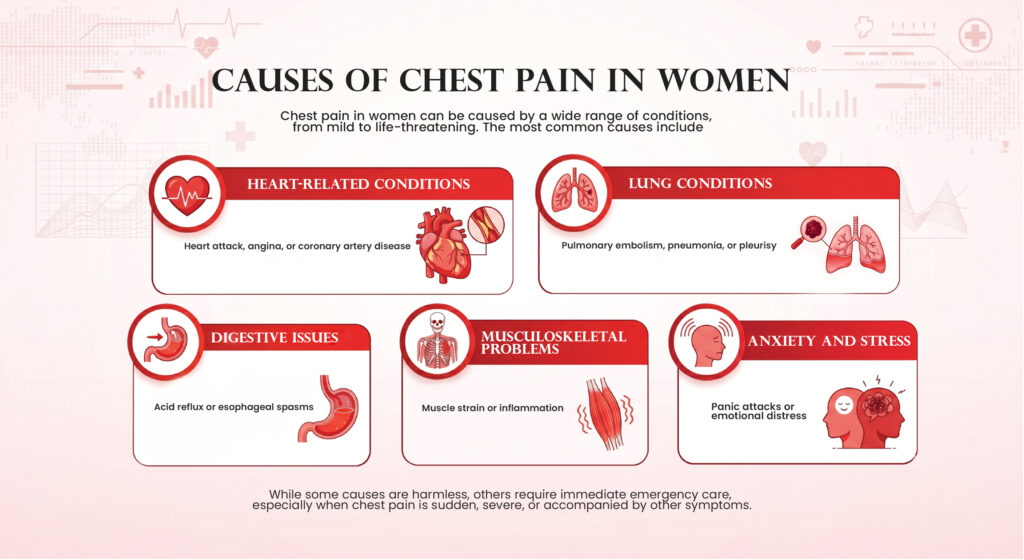
Chest pain symptoms in women can differ from classic “crushing chest pain” often described in men. Women may experience more subtle or unusual signs. Common Symptoms Include:
- Pressure, tightness, or squeezing in the chest
- Sharp or burning chest pain
- Pain spreading to the jaw, neck, shoulder, or back
- Shortness of breath
- Nausea or vomiting
- Dizziness or lightheadedness
- Unusual fatigue
These symptoms may come and go or appear suddenly. Even mild discomfort should not be ignored if it feels unusual or persistent.
H2: Causes of Chest Pain in Women
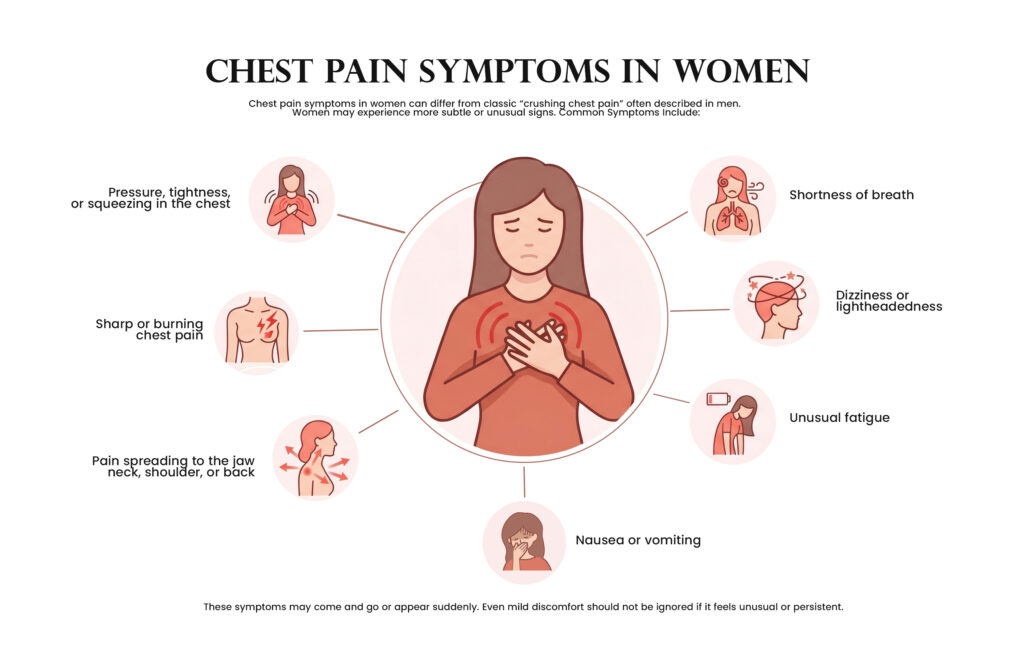
Chest pain in women can be caused by a wide range of conditions, from mild to life-threatening. The most common causes include:
- Heart-related conditions: Heart attack, angina, or coronary artery disease
- Lung conditions: Pulmonary embolism, pneumonia, or pleurisy
- Digestive issues: Acid reflux or esophageal spasms
- Musculoskeletal problems: Muscle strain or inflammation
- Anxiety and stress: Panic attacks or emotional distress
While some causes are harmless, others require immediate emergency care, especially when chest pain is sudden, severe, or accompanied by other symptoms. In such cases, searching for an emergency room near me can help you get urgent evaluation and timely treatment.
Heart-Related Causes of Chest Pain in Women
Heart conditions are one of the most serious causes of chest pain in women and can signal life-threatening problems such as a heart attack or blocked arteries. Prompt medical evaluation is essential to reduce the risk of severe complications and ensure timely treatment.
Heart Attack Symptoms in Women
A heart attack in women may not always present as intense chest pressure. Instead, symptoms can include:
- Mild chest discomfort or tightness
- Pain in the upper back, jaw, or neck
- Shortness of breath
- Nausea, fatigue, or dizziness
These atypical symptoms often lead to delayed diagnosis, increasing the risk of complications.
Angina (Reduced Blood Flow to the Heart)
Angina causes chest pain due to reduced blood supply to the heart. It may feel like:
- Pressure or squeezing in the chest
- Pain triggered by activity or stress
- Relief with rest
Coronary Artery Disease
This condition develops when arteries supplying the heart become narrowed or blocked. It can cause:
- Recurrent chest pain
- Fatigue
- Shortness of breath
Non-Cardiac Causes of Chest Pain in Women
Not all chest pain is heart-related, but non-cardiac causes can still be serious and should not be ignored. Conditions affecting the lungs, digestive system, or muscles may also lead to significant discomfort and require medical evaluation.
Anxiety Chest Pain in Women
Stress and anxiety can cause chest tightness or sharp pain. Panic attacks may mimic heart attack symptoms, including:
- Rapid heartbeat
- Shortness of breath
- Chest discomfort
Acid Reflux Chest Pain (GERD)
Acid reflux can cause a burning sensation in the chest, often mistaken for heart pain:
- Burning chest pain after eating
- Sour taste in the mouth
- Pain worse when lying down
Muscle Strain or Chest Wall Pain
Muscle-related chest pain may occur due to:
- Heavy lifting or physical activity
- Injury or inflammation (costochondritis)
- Pain that worsens with movement or touch
Lung Conditions
Serious lung issues can cause chest pain, including:
- Pulmonary embolism: Sudden, sharp chest pain with shortness of breath
- Pneumonia: Chest discomfort with fever and cough
- Pleurisy: Pain that worsens with breathing
Left Side Chest Pain in Women
Left-sided chest pain in women often raises concern because it is commonly linked to heart-related conditions. The pain may feel like pressure, tightness, burning, or sharp discomfort and can sometimes spread to the arm, jaw, or back. While less serious causes like muscle strain or gas are possible, persistent or sudden pain should never be ignored. Some of the most common and serious causes include:
- Heart attack
- Angina
- Lung conditions
Right Side Chest Pain in Women
Right-sided chest pain in women is less commonly associated with heart problems, but it can still signal underlying conditions that require attention. The discomfort may feel sharp, stabbing, or worsen with breathing or movement, depending on the cause. In many cases, it originates from the lungs, digestive system, or chest wall rather than the heart. Common causes include:
- Lung infections or inflammation
- Gallbladder issues
- Muscle strain
Risk Factors That Increase Chest Pain in Women
Certain risk factors can significantly increase the likelihood that chest pain in women is linked to serious or life-threatening conditions. These factors often contribute to poor circulation, artery damage, or increased strain on the heart, raising the risk of heart attack and other cardiovascular problems. Recognizing these risks can help identify symptoms earlier and prompt timely medical care.
- High blood pressure
- Diabetes
- Smoking
- Obesity
- Sedentary lifestyle
- Family history of heart disease
- High cholesterol
When to Go to the ER for Chest Pain in Women
Chest pain in women can signal a medical emergency, especially when symptoms are sudden, severe, or worsening. Immediate evaluation is critical to rule out life-threatening conditions like a heart attack or pulmonary embolism. If these symptoms occur, visiting an ER for chest pain is essential for urgent assessment and treatment.
Emergency Warning Signs:
- Suddenly, severe chest pain or pressure
- Chest pain lasting more than a few minutes
- Shortness of breath or difficulty breathing
- Pain spreading to the jaw, arm, shoulder, or back
- Dizziness, fainting, or confusion
- Nausea, vomiting, or cold sweats
- Rapid or irregular heartbeat
Diagnosis of Chest Pain in Women
At an emergency center, chest pain in women is evaluated quickly to identify the underlying cause and rule out life-threatening conditions. Early diagnosis is critical to ensure timely and appropriate treatment.
Doctors may use the following diagnostic tests:
- Electrocardiogram (ECG)
- Blood tests (cardiac enzymes)
- Chest X-ray
- CT scan or other imaging
Treatment of Chest Pain in Women
From an emergency center perspective, chest pain is treated as a potentially serious condition until life-threatening causes are ruled out. Care begins with rapid assessment, monitoring, and stabilization. Common approaches include:
- Immediate evaluation: Vital signs, ECG, blood tests, and imaging to quickly identify or rule out serious conditions
- Heart-related issues: Fast-acting medications such as aspirin, blood thinners, nitrates, or beta-blockers, along with continuous monitoring and urgent procedures if needed
- Lung conditions: Oxygen therapy, antibiotics for infections, bronchodilators for breathing relief, or blood thinners for clots
- Acid reflux or non-cardiac pain: Antacids, proton pump inhibitors, or other acid-reducing medications, once serious causes are excluded
- Muscle-related pain: Pain relievers such as NSAIDs, along with rest and supportive care
- Anxiety-related pain: Anti-anxiety medications, relaxation techniques, and supportive care
Emergency centers focus on rapid medication administration and targeted treatment to stabilize patients quickly. Based on findings, patients may be discharged with prescriptions and follow-up instructions or admitted for further care.
Where to Go for Chest Pain
Chest pain in women should never be ignored, especially when it is sudden, persistent, or feels different from usual discomfort. At Texas Emergency Care Center, every case of chest pain is treated with urgency to rule out serious conditions like heart attack or lung complications. Our experienced medical team provides 24/7 emergency care with minimal wait times, advanced cardiac testing such as ECG, blood work, and imaging, along with immediate medications and treatments for heart, lung, or other critical causes. Continuous monitoring ensures patient stability and safety throughout the evaluation process.
Early evaluation of chest pain can be life-saving. Care is personalized based on each patient’s symptoms, medical history, and risk factors to ensure accurate diagnosis and effective treatment. Whether symptoms are mild, atypical, or severe, seeking immediate emergency care can help prevent complications and significantly improve outcomes.
Key Takeaways
- Chest pain in women can have many causes, ranging from mild to life-threatening.
- Symptoms in women are often subtle and may differ from classic heart attack signs.
- Heart-related conditions like heart attack and angina are the most serious causes.
- Non-cardiac causes include anxiety, acid reflux, and muscle strain.
- Emergency warning signs require immediate medical attention.
- Early diagnosis and treatment can prevent complications and save lives.
Frequently Asked Questions
What causes chest pain in a woman on the left side?
Left-sided chest pain in women can be caused by heart conditions like a heart attack or angina, but may also result from muscle strain, acid reflux, or lung issues. Any sudden or severe pain should be evaluated immediately.
What causes chest pain in a woman on the right side?
Right-sided chest pain is often linked to lung conditions, gallbladder issues, or muscle strain rather than the heart. Persistent or worsening pain still requires medical attention to rule out serious causes.
What causes chest pain in a woman when breathing?
Chest pain while breathing is often linked to lung conditions such as pleurisy, pulmonary embolism, or infections. It may feel sharp and worsen with deep breaths or coughing. These symptoms should be evaluated urgently to rule out serious conditions.