



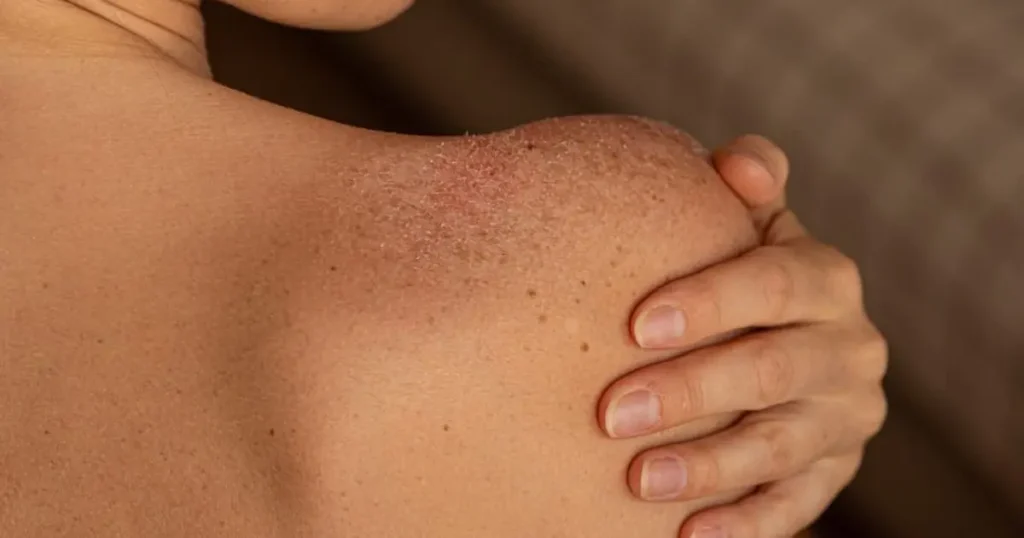
How long does heat rash last is one of the first questions people ask when tiny red bumps, prickly heat hives, or sweat rash appear on their skin. Most heat rashes resolve quickly once triggers, like hot weather, humidity, or excessive perspiration, are removed. However, knowing the expected timeline, severity, and factors that can prolong recovery is essential for proper care and comfort.
Heat rash can be itchy, irritating, and sometimes alarming, especially when it appears as heat rash blisters, heat bumps on face, or sweat rash on the chest or back. While most cases calm down with simple cooling and loose clothing, understanding when to consider common ER treatments or see a healthcare provider can prevent complications and provide peace of mind.
What Is Heat Rash
Heat rash, medically known as miliaria, occurs when sweat becomes trapped beneath the skin due to blocked or inflamed sweat ducts. It is common in warm, humid weather and can affect both adults and children. Heat rash often appears as clusters of tiny bumps, blisters, or red spots on areas such as the chest, back, armpits, or legs.
Study Reference: According to clinical dermatology literature, up to 30% of adults in hot climates experience heat rash, with especially high incidence in infants due to immature sweat glands.
Heat Rash Symptoms
Heat rash symptoms can vary depending on severity, but often include:
- Tiny red or pink bumps that may look like pimples or heat bumps on face, chest, or neck.
- Itchy or prickly sensation under the skin.
- Clear, fluid‑filled blisters in mild forms, like heat rash blisters.
- Irritated or inflamed areas that worsen with continued sweating.
- Localized skin irritation in creases, like rash in armpit and back.
How Long Can Heat Rash Last
Most heat rashes heal on their own within 2–3 days when proper cooling measures are taken. Mild cases may resolve even faster if exposure to heat and humidity is reduced and sweat is allowed to evaporate. However, more severe or prolonged heat rash can last up to a week or longer if sweating continues or hot conditions persist. Rare deeper forms may take longer without proper care.
What Does A Heat Rash Look Like?
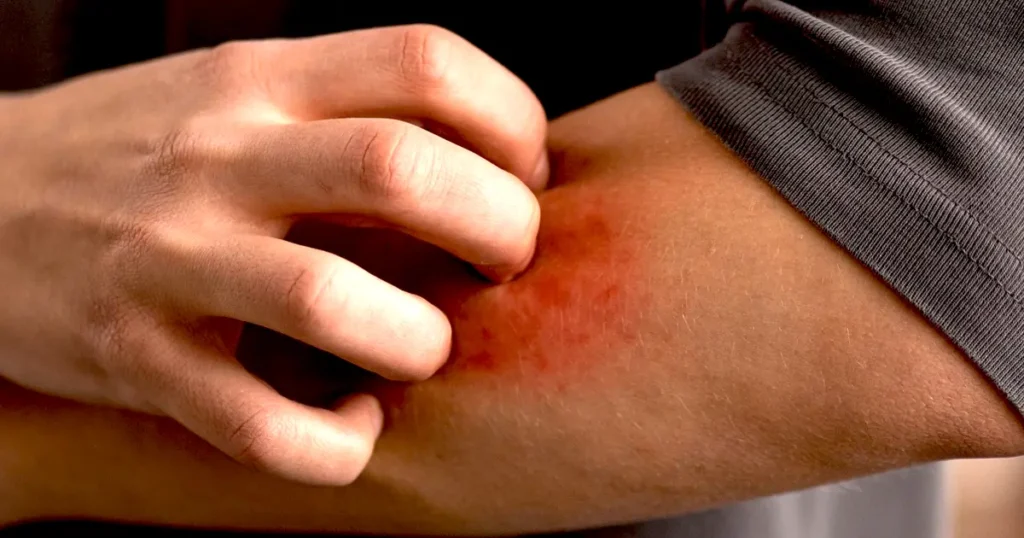
Heat rash usually appears as tiny, clustered bumps or spots that may be red, pink, or flesh-colored. Mild cases may show small blisters that look like droplets under the skin, while more severe forms can be bumpy, rough, and itchy. Deep heat rash can resemble goosebumps or inflamed clusters, often in areas where sweat accumulates or clothing rubs, such as the chest, back, or heat rash on legs and arms.
What Causes Heat Rash?
Heat rash develops when excessive sweating blocks the sweat ducts, trapping moisture under the skin and causing irritation. This can happen during hot, humid weather, intense physical activity, or when sweat cannot evaporate due to tight clothing. Friction and prolonged sweating trigger irritation, resulting in small, itchy bumps or heat bumps.
- Hot, Humid Weather: High temperatures and humidity increase sweat production, raising risk.
- Tight Clothing: Non-breathable fabrics trap sweat, preventing evaporation.
- Physical Activity: Exercise or exertion produces excess sweat that can block ducts.
- Prolonged Sweating: Extended periods of heat, bed rest, or covered skin increase risk.
- Fever or Illness: Elevated body temperature can worsen sweat retention and skin reaction.
Can Heat Rash Spread?
Yes, heat rash can spread to nearby areas if sweating continues or friction from tight clothing prevents sweat from evaporating. It is not contagious and cannot spread between people, but it may appear in new areas, such as the heat rash on arms, legs, chest, or back if triggers persist. Cooling the body, wearing breathable clothing, and keeping the skin dry can prevent further spread.
How To Treat Heat Rash
Treatment focuses on reducing heat exposure, soothing irritated skin, and allowing sweat glands to rest. Avoid heavy creams that block pores and provide gentle cooling to affected areas. These steps help prevent worsening and speed recovery. Treatments for heat rash include:
- Cooling And Rest: Wear light, breathable fabrics and stay in cool, ventilated areas to reduce sweating.
- Topical Soothers: Apply calamine lotion or mild hydrocortisone cream to calm itching and skin irritation.
- Antihistamines: Over-the-counter antihistamines may reduce itch and inflammation, especially with heat hives or hives from heat.
- Cold Compresses: Apply cool, damp cloths to areas like heat rash on back, face, chest, or legs.
- Loose Clothing & Proper Ventilation: Reduce friction and allow airflow to prevent further sweat blockage.
- Oatmeal Baths or Aloe Vera Gel: These remedies can soothe irritation and provide comfort.
Care for Heat Rash at Texas Emergency Care Center
Are you asking, “How long does heat rash last?” While most cases clear up quickly with proper care, persistent or severe rashes may require professional evaluation. At Texas Emergency Care Center, our medical team examines your condition, provides guidance on cooling measures, and recommends treatments to relieve heat rash blisters, heat bumps, and other uncomfortable skin irritations effectively.
Early assessment at Texas Emergency Care Center can prevent complications such as infections, rash spreading, or worsening discomfort. Whether you’re experiencing sweat rash, heat hives, or prickly heat, our experts deliver prompt care, personalized advice, and practical strategies to soothe your skin and restore comfort quickly.