



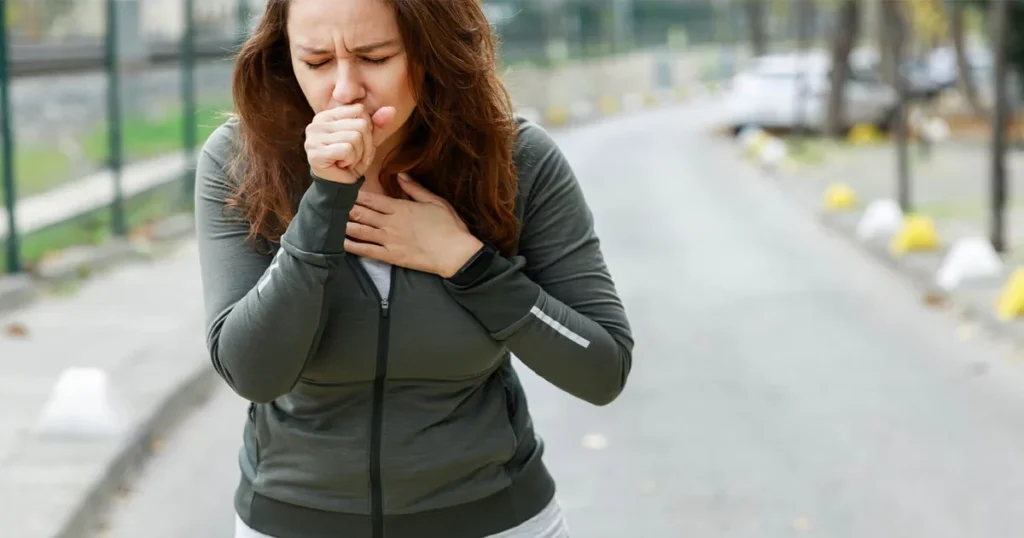
Walking pneumonia typically lasts about 4 to 6 weeks, though many feel better sooner depending on treatment, overall health, and immune strength. Lingering symptoms like cough or fatigue can persist, and in some cases, common ER treatments such as oxygen therapy, IV fluids, or medication management help speed recovery and prevent complications.
This milder form of pneumonia often develops gradually and may initially resemble a cold or chest infection, leading some people to delay care. With proper evaluation and guidance from our ER in Pearland, early support can help reduce symptom duration, prevent complications, and improve overall comfort during recovery.
What Is Walking Pneumonia
Walking pneumonia is a mild type of pneumonia most commonly caused by Mycoplasma pneumoniae, though viruses can also be responsible. Unlike traditional pneumonia, symptoms are often subtle, allowing many people to continue daily activities. It typically presents with a persistent cough, low-grade fever, and fatigue rather than severe breathing distress.
Research published by the National Institutes of Health shows that Mycoplasma pneumoniae accounts for 15–20% of community-acquired pneumonia cases and up to 40% in children.
Symptoms Of Walking Pneumonia
- Persistent dry or worsening cough.
- Mild fever or chills.
- Fatigue or low energy levels.
- Headache and sore throat.
- Mild chest discomfort or shortness of breath.
How Long Does Walking Pneumonia Last With Antibiotics
When walking pneumonia is treated with antibiotics, most people notice improvement within a few days. Full recovery generally takes 2 to 3 weeks, though a lingering cough or fatigue may persist beyond that period. Antibiotics help clear bacterial infections more quickly and lower the risk of complications. Recovery time varies based on age, immune health, and how early treatment begins.
How Long Does Walking Pneumonia Last Without Antibiotics
Without antibiotics, walking pneumonia may last longer, especially when caused by bacteria. Symptoms can persist for 3 to 6 weeks, with cough and fatigue sometimes continuing beyond that timeframe. While many healthy individuals recover naturally, the illness may progress more slowly and cause prolonged discomfort without treatment. Monitoring symptoms closely helps reduce the risk of worsening infection.
Does Walking Pneumonia Go Away On Its Own
Most people with walking pneumonia recover on their own as the immune system clears the infection. Antibiotics can shorten recovery time and relieve symptoms when bacteria are involved. However, young children, older adults, and individuals with weakened immune systems or chronic lung conditions may experience more severe illness and benefit from medical treatment. Timely care helps reduce complications and prolonged recovery.
Walking Pneumonia In Kids
Walking pneumonia is common in school-aged children and often develops gradually. Many kids remain active despite symptoms, which can delay diagnosis. Recovery may range from one week to over a month, with the cough typically lasting the longest. Early recognition and proper care are important to support healing and prevent spread within households or schools.
Walking Pneumonia Symptoms In Kids
- Persistent cough that worsens over time.
- Low-grade fever and chills.
- Fatigue or decreased activity.
- Headache or sore throat.
- Wheezing, especially in children with asthma.
For ongoing or worsening symptoms, contact Texas Emergency Care Center for pediatric emergencies.
How Is Walking Pneumonia Diagnosed
Diagnosing walking pneumonia requires careful evaluation because symptoms often overlap with other respiratory illnesses. Healthcare providers focus on symptom patterns, duration, and overall health. A thoughtful, step-by-step approach helps ensure accurate diagnosis and appropriate care.
- Physical Examination: The provider listens to lung sounds to detect crackles, wheezing, or reduced airflow that may suggest infection.
- Chest X-Ray: Imaging helps confirm pneumonia and distinguish it from bronchitis or other lung conditions.
- Lab Testing: Nasal swabs, sputum samples, or blood tests may be used to identify the cause of infection.
How To Treat Walking Pneumonia
Treatment focuses on relieving symptoms, supporting recovery, and addressing the underlying cause when necessary. Care plans are tailored to age, symptom severity, and overall health. Supportive care plays an important role alongside medical treatment.
- Antibiotics: Most doctors recommend antibiotics such as azithromycin or doxycycline when a bacterial cause is suspected to speed recovery and reduce complications.
- Over-The-Counter Medications: Most doctors recommend acetaminophen or ibuprofen to reduce fever, aches, and discomfort.
- Cough Relief & Humidified Air: Cough suppressants, warm fluids, and humidifiers can help soothe airways and reduce irritation.
- Rest & Hydration: Adequate rest and fluid intake support the immune system and promote healing.
- Monitoring & Follow-Up: Medical follow-up may be needed if symptoms worsen or do not improve as expected.
Trusted Walking Pneumonia Treatment at Texas Emergency Care Center
If you’re concerned about how long does walking pneumonia last and whether an ongoing cough, fatigue, or breathing discomfort requires medical care, early evaluation can make a meaningful difference. While symptoms may seem mild at first, delays in assessment can extend recovery time and increase the risk of complications, especially in vulnerable individuals.
At Texas Emergency Care Center, our experienced medical team offers prompt evaluation, advanced diagnostic testing, and personalized treatment plans to support recovery and protect lung health. If symptoms worsen, persist, or interfere with daily activities, timely emergency care helps ensure safer healing and a faster return to normal breathing and energy levels.