



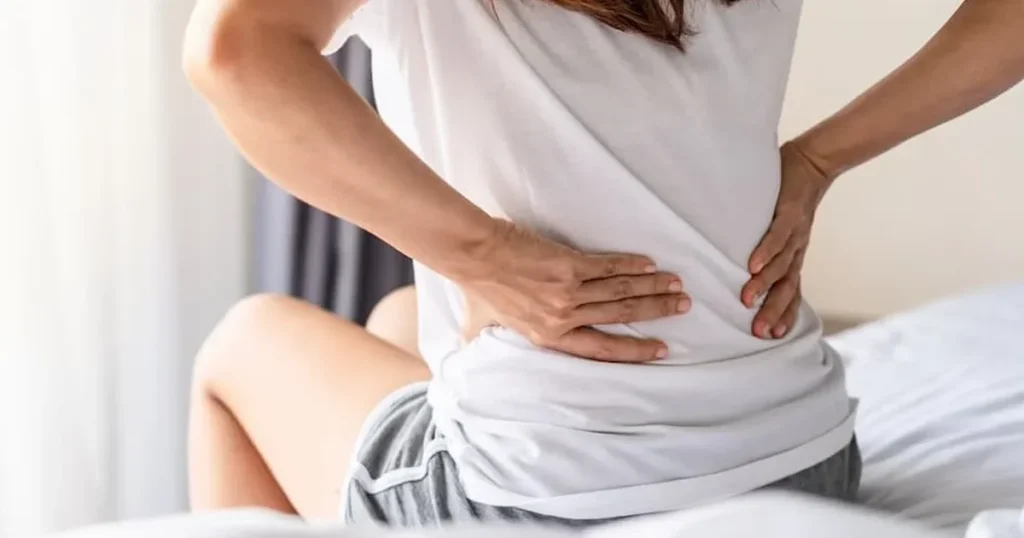
Lower back discomfort can interfere with daily life, and many wonder What Causes Lower Back Pain. It often stems from muscle strain, posture habits, or spinal changes, and in some cases, common ER treatments like pain management and evaluation provide quick relief.
Back pain can feel overwhelming, especially when it limits movement or work performance. Some individuals delay care until symptoms become severe, but early evaluation makes a significant difference in outcomes. When pain becomes intense, persistent, or linked to concerning symptoms, our ER in Pearland provides a timely assessment for urgent cases. Understanding the root cause empowers patients to make informed decisions about their spinal health.
Understanding Lower Back Pain
Lower back pain refers to discomfort in the lumbar spine, which supports much of the body’s weight and movement. It may present as dull aching, stiffness, or sharp radiating pain depending on the structures involved. According to the National Institutes of Health, nearly 80% of adults experience lower back pain at some point in their lifetime, making it a leading cause of disability worldwide.
Lower Back Pain Symptoms
- Dull, persistent aching in the lower back.
- Sharp pain that worsens with movement or bending.
- Muscle tightness or spasms.
- Pain radiating down one or both legs.
- Numbness or tingling in the legs or feet.
- Difficulty standing upright or walking comfortably.
Lower Back Pain Causes
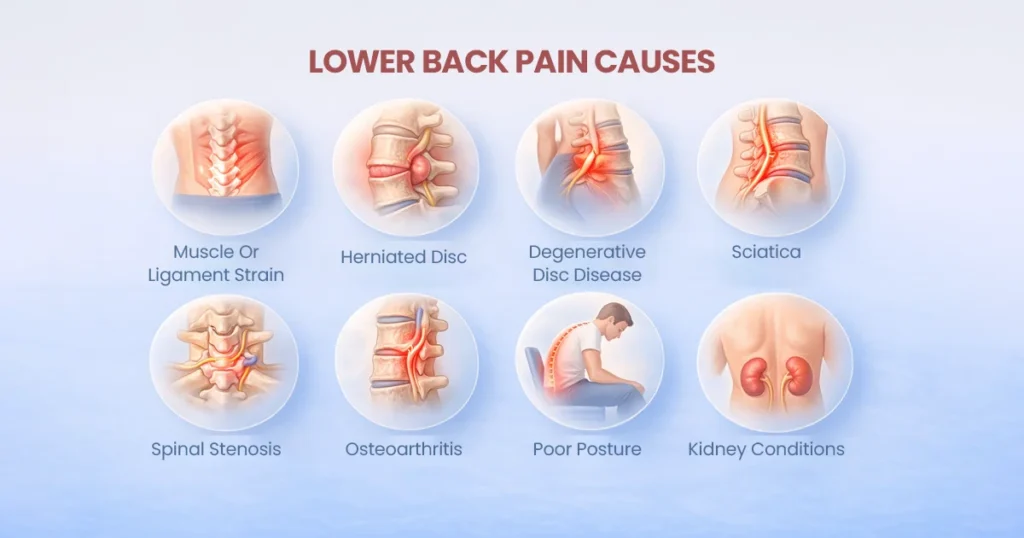
Lower back pain can result from muscle strain, spinal changes, or underlying medical conditions. When patients ask what causes lower back pain, the answer often depends on age, posture, lifestyle, and overall spinal health. While some cases improve with conservative care, others require medical evaluation to ensure proper treatment.
1. Muscle Or Ligament Strain
Muscle or ligament strain is one of the most common triggers of lower back discomfort. It often results from heavy lifting, sudden twisting, or prolonged poor posture. Repeated strain can cause small tears in soft tissues. Pain typically worsens with movement and improves with rest.
2. Herniated Disc
A herniated disc occurs when the inner gel-like material of a spinal disc pushes outward and compresses nearby nerves. This can lead to sharp back pain or radiating leg pain known as sciatica. Sitting for long periods may worsen symptoms. Early medical guidance helps reduce inflammation and nerve irritation.
3. Degenerative Disc Disease
With aging, spinal discs gradually lose hydration and flexibility. This natural wear reduces cushioning between vertebrae. The condition may cause chronic stiffness and aching pain. Symptoms often flare up after prolonged sitting or physical exertion.
4. Sciatica
Sciatica develops when the sciatic nerve becomes irritated or compressed. Pain usually radiates from the lower back down one leg. Tingling, numbness, or weakness may also occur. Herniated discs are a frequent underlying cause.
5. Spinal Stenosis
Spinal stenosis involves the narrowing of the spinal canal, which compresses spinal nerves. It is more common in older adults. Symptoms may worsen while standing or walking. Leaning forward can temporarily relieve discomfort.
6. Osteoarthritis
Osteoarthritis can affect the joints of the lower spine. Cartilage breakdown leads to inflammation and stiffness. Pain typically increases with activity. In advanced cases, bone spurs may form and irritate nerves.
7. Poor Posture
Poor posture places excess stress on the lumbar spine and surrounding muscles. Sitting for extended periods without proper support weakens stabilizing muscles. Over time, this imbalance contributes to chronic pain. Ergonomic adjustments significantly reduce strain.
8. Kidney Conditions
Certain kidney problems, such as infections or kidney stones, may cause pain that feels similar to lower back pain. Unlike muscular pain, it may include fever, nausea, or urinary changes. Immediate medical evaluation is important in such cases.
Also Read: Middle Back Pain Causes & Treatments
Is Walking Good For Lower Back Pain?
Yes, walking is generally beneficial for lower back pain when performed at a moderate and comfortable pace. It improves blood circulation, strengthens supportive muscles, and enhances spinal flexibility. Regular low-impact movement can reduce stiffness and promote healing. However, severe or worsening symptoms should be evaluated by a healthcare professional before continuing exercise.
When To Seek Emergency Care For Lower Back Pain
Although most lower back pain improves with conservative care, certain warning signs require urgent medical attention. Severe pain following trauma or symptoms involving nerve dysfunction should never be ignored. Prompt evaluation helps rule out serious spinal or systemic conditions.
- Loss of bladder or bowel control.
- Sudden weakness in one or both legs.
- Severe pain after a fall or accident.
- Fever accompanying back pain.
- Unexplained weight loss with persistent pain.
If you notice any of these symptoms, contact the Texas Emergency Care Center immediately for emergency evaluation.
Also Read: Can IBS Cause Back Pain?
How To Relieve Lower Back Pain
Relieving lower back pain begins with understanding the underlying cause and adopting supportive daily habits. Many mild cases improve with conservative measures and consistent self-care. Early management reduces the risk of chronic discomfort and mobility limitations.
Rest And Activity Modification
Short periods of rest may help calm acute inflammation. However, prolonged bed rest can weaken muscles and delay recovery. Gradually returning to light movement supports healing. Gentle stretching may also improve flexibility.
Heat And Cold Therapy
Cold therapy is helpful within the first 48 hours of injury to reduce inflammation. Heat relaxes tight muscles and improves circulation. Alternating heat and cold may enhance comfort. Always protect the skin during application.
Doctor-Recommended Medications
Over-the-counter pain relievers such as acetaminophen or nonsteroidal anti-inflammatory drugs may be recommended by the doctor. In certain cases, prescription muscle relaxants are advised. Medication use should always follow professional medical guidance.
Physical Therapy
Physical therapy strengthens core muscles and improves posture. A trained therapist creates individualized exercises tailored to spinal stability. Consistent sessions reduce recurrence risk. Therapy also enhances long-term flexibility and function.
How To Sleep With Lower Back Pain
Sleeping with lower back pain can be difficult, especially when discomfort disrupts rest and recovery. Maintaining proper spinal alignment during sleep reduces strain on muscles and discs. Small adjustments in sleeping posture can significantly ease nighttime pain.
- Sleep On Your Side With A Pillow Between Your Knees: This position maintains spinal alignment and reduces hip rotation. A firm pillow prevents excess strain on the lower back.
- Sleep On Your Back With A Pillow Under Your Knees: Elevating the knees supports the natural curve of the lumbar spine. This reduces pressure on spinal joints.
- Use A Medium-Firm Mattress: Proper mattress support prevents excessive sinking and maintains spinal balance. Adequate support reduces overnight stiffness.
- Avoid Sleeping On Your Stomach: This position strains the neck and lower spine. If unavoidable, placing a pillow under the pelvis may reduce stress.
Expert Evaluation For Lower Back Pain At Texas Emergency Care Center
If you are experiencing persistent discomfort and wondering what causes lower back pain, early evaluation is essential to identify the root problem. While many cases are linked to muscle strain or posture, some may involve nerve compression or spinal conditions. Delaying care can prolong pain and slow recovery. A proper diagnosis helps ensure safe and effective treatment.
At Texas Emergency Care Center, our experienced medical team provides thorough assessments and advanced diagnostic testing when needed. We create personalized treatment plans based on your specific symptoms and medical history. Prompt evaluation can prevent complications and reduce long-term discomfort. If pain becomes severe or interferes with daily life, emergency care supports faster relief and recovery.