



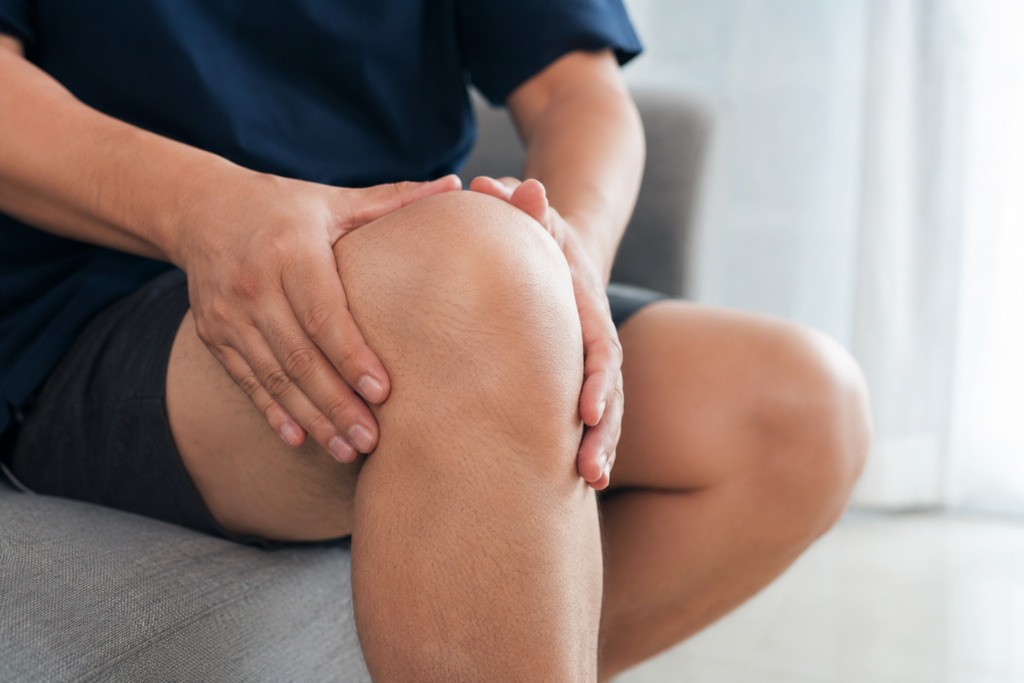
Fluid on the knee, often called knee swelling or water on the knee, happens when excess fluid builds up around the knee joint. This condition may develop after injuries, arthritis, infection, or repeated stress on the joint. Depending on the cause, knee fluid can lead to pain, stiffness, swelling, and difficulty walking or bending the leg.
Early diagnosis and treatment are important to prevent worsening pain, joint damage, or long-term mobility problems. In severe cases involving trauma or sudden swelling, knee pain treatment near me can help patients receive prompt medical evaluation and treatment for related injuries.
What Causes Fluid on the Knee?
Fluid on the knee can develop because of injury, inflammation, infection, or underlying medical conditions affecting the joint. The severity of symptoms often depends on how much fluid has accumulated and the underlying cause. Severe swelling, sudden pain, or difficulty walking may require prompt evaluation at a facility offering minimal to no wait times, where shorter ER wait times can help patients receive a faster diagnosis and timely treatment for potential joint injuries, infections, or other serious conditions.
Knee Injuries
Sudden trauma to the knee from falls, sports injuries, or accidents may cause swelling and fluid buildup inside the joint. Torn ligaments, cartilage injuries, and fractures commonly trigger inflammation and excess fluid production. Pain, bruising, and difficulty moving the knee are frequent symptoms. Severe injuries may also affect joint stability and walking ability.
Arthritis
Arthritis is one of the most common causes of fluid accumulation in the knee joint. Conditions such as osteoarthritis and rheumatoid arthritis can inflame joint tissues and increase fluid production over time. Patients often experience stiffness, pain, swelling, and reduced flexibility. Symptoms may worsen with age or repetitive joint stress.
Infection
Infections inside the knee joint can lead to dangerous fluid buildup and severe inflammation. Bacterial infections may cause redness, warmth, fever, intense pain, and difficulty moving the knee normally. Infected knee fluid requires immediate medical attention to prevent joint damage or complications. Delayed treatment may increase the risk of permanent tissue injury.
Overuse and Repetitive Stress
Repeated kneeling, heavy physical activity, or repetitive motion may irritate the knee joint and surrounding tissues. Overuse injuries can gradually increase inflammation and fluid accumulation around the knee. Athletes and physically active individuals are commonly affected by this condition. Proper rest and recovery are important to prevent worsening symptoms.
Gout
Gout occurs when uric acid crystals collect inside the knee joint and trigger sudden inflammation. This condition can cause severe swelling, redness, warmth, and intense pain during flare-ups. Fluid buildup may occur rapidly and make walking extremely uncomfortable. Without treatment, repeated gout attacks may damage the knee joint over time.
Symptoms of Fluid on the Knee You Should Never Ignore
Symptoms of fluid on the knee vary depending on the underlying condition and the amount of swelling around the joint. Early medical evaluation can help prevent worsening complications.
- Swelling Around the Knee: Excess fluid can cause the knee joint to appear visibly larger than normal. This swelling may develop gradually or suddenly and often feels tight or heavy around the joint area.
- Pain and Pressure: Inflammation inside the knee may create aching pain, soreness, or a feeling of pressure. This discomfort often worsens with movement, standing, or bending the knee.
- Stiffness: Fluid buildup may limit normal joint movement, making it hard to fully bend or straighten the knee. This stiffness can affect daily activities like walking, sitting, or climbing stairs.
- Warmth and Redness: In some cases, the affected knee may feel warm to the touch and appear red due to inflammation. These signs may indicate irritation or, in more serious cases, infection.
- Difficulty Walking: As swelling and pain increase, balance and stability may be affected. This can make walking uncomfortable, slow, or in some cases, difficult without support.
Is Fluid on the Knee Dangerous?
Fluid on the knee can become dangerous when it is caused by serious injury, infection, or chronic joint disease. Mild swelling from overuse may improve with rest and home care, but severe swelling or persistent symptoms should not be ignored. Untreated knee fluid may increase pressure inside the joint and lead to cartilage damage, mobility issues, or long-term pain. Sudden swelling accompanied by fever, redness, or inability to walk may require emergency medical attention.
How Fluid on the Knee Is Diagnosed
Doctors diagnose knee fluid through physical examination, medical history review, and imaging tests to identify the underlying cause accurately.
- Physical Examination: Doctors inspect the knee for swelling, tenderness, redness, and warmth around the joint. They also evaluate knee flexibility and movement to determine whether swelling is affecting mobility or stability.
- Medical History Review: Patients may be asked about recent injuries, pain severity, physical activity, and previous knee conditions. Understanding medical history helps doctors identify possible causes such as arthritis, gout, or overuse injuries.
- Imaging Tests: Diagnostic imaging like X-rays, MRI scans, or ultrasounds may help doctors view the structures inside the knee joint. These tests can identify fractures, ligament injuries, inflammation, or cartilage damage.
- Joint Fluid Analysis: Doctors may remove fluid from the knee joint to check for infection, blood, or crystal buildup. Testing the fluid can help confirm conditions such as gout or joint infection.
- Severity Evaluation: After completing the examination and tests, doctors assess whether the condition is mild, moderate, or severe. This helps determine the most appropriate treatment plan for recovery.
If you are experiencing significant knee swelling or pain, seeking care at an ER near me can help you receive prompt evaluation and appropriate treatment.
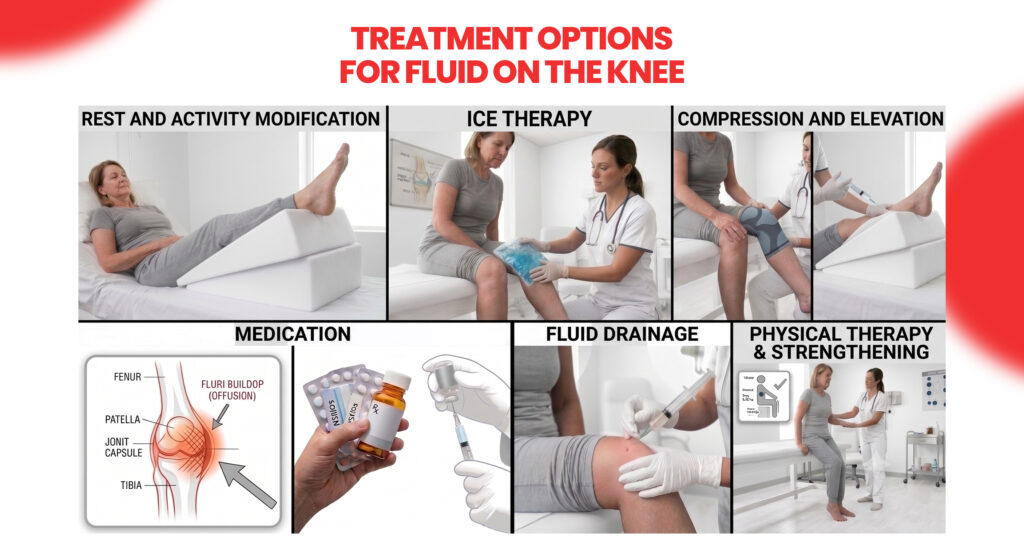
Treatment Options for Fluid on the Knee
Treatment depends on the cause of knee swelling and how severe the fluid buildup has become. Early treatment can reduce pain and help restore movement safely.
Rest and Activity Modification
Resting the knee helps reduce pressure and strain on the joint while the surrounding tissues recover. Avoiding activities such as running, jumping, or heavy lifting may help prevent additional swelling and irritation. Doctors often recommend temporary activity modification to allow inflammation to decrease naturally. Gradual movement and light exercise may be introduced once pain and swelling begin to improve.
Ice Therapy
Ice therapy is commonly used to reduce swelling and relieve pain around the knee joint. Applying cold packs may help decrease inflammation by narrowing blood vessels in the affected area. Short ice sessions several times throughout the day are often recommended during the early stages of recovery. Proper use of ice therapy may also improve comfort and help support faster healing.
Compression and Elevation
Compression wraps or knee braces may help stabilize the joint and limit fluid accumulation around the knee. Elevating the leg above heart level can improve blood circulation and help reduce swelling naturally. These methods are often used together to improve recovery and minimize discomfort during daily activities. Consistent compression and elevation may also help patients regain mobility more comfortably.
Medication
Doctors may recommend anti-inflammatory medications or pain relievers to help control swelling and discomfort. Over-the-counter medications are often used for mild inflammation, while severe cases may require prescription treatment. If infection is present, antibiotics or other medications may be necessary to prevent complications. Proper medication use can improve mobility, reduce irritation, and support overall recovery.
Fluid Drainage
In some cases, doctors may remove excess fluid from the knee through a procedure called aspiration. A needle is carefully inserted into the joint to drain fluid and relieve pressure inside the knee. This treatment may reduce pain quickly and improve the patient’s ability to move the leg more comfortably. Fluid drainage may also help doctors identify infections, blood, or crystal buildup contributing to the swelling.
How Long Does Fluid on the Knee Last?
Recovery time depends on the cause of the swelling and how quickly treatment begins after symptoms appear. Mild swelling from overuse may improve within a few days to 1–2 weeks with rest and ice therapy. Moderate inflammation or injury may require several weeks to months of treatment and rehabilitation before normal movement returns. Severe cases involving infection, arthritis, or major joint injuries may take several months or a lifetime and require ongoing medical care.
How to Prevent Fluid on the Knee
Preventing knee swelling focuses on protecting the joint from injury, inflammation, and repetitive stress during daily activities and exercise.
- Maintain Healthy Weight: Extra body weight places additional pressure on the knee joints during walking and daily movement. Maintaining a healthy weight may help reduce joint stress and lower the risk of inflammation and swelling.
- Stretch Before Exercise: Warm-up exercises and stretching improve flexibility and prepare the muscles and joints for physical activity. Proper stretching may help reduce the risk of strains, sprains, and knee injuries.
- Use Proper Technique: Safe lifting methods and correct exercise form may help prevent unnecessary strain on the knees. Poor movement habits can increase pressure on the joint and lead to inflammation over time.
- Wear Supportive Footwear: Supportive shoes help improve balance, stability, and overall knee alignment during movement. Proper footwear may reduce stress placed on the knee joints during exercise and daily activities.
- Avoid Overuse: Repetitive kneeling, running, or heavy physical activity may irritate the knee joint gradually. Taking regular breaks and allowing proper recovery time may help prevent inflammation and fluid buildup.
When to See a Doctor for Fluid on the Knee
Medical attention may be necessary if swelling, pain, or mobility problems become severe or persistent. If you experience significant discomfort, difficulty walking, sudden swelling, or signs of infection, seeking prompt care at Texas Emergency Care Center can help ensure timely evaluation, accurate diagnosis, and appropriate treatment to address the underlying cause and prevent complications.
- Severe Swelling: Sudden or excessive swelling may indicate a serious injury, bleeding inside the joint, or significant inflammation. Immediate evaluation may be needed to identify the exact cause.
- Difficulty Walking: Trouble standing, walking, or placing weight on the leg may suggest joint instability or damage. Medical assessment can help determine whether treatment or imaging is necessary.
- Redness and Warmth: Swelling combined with redness, warmth, or fever may be a sign of infection inside the knee joint. Infections require prompt treatment to help prevent permanent damage.
- Persistent Pain: Knee pain that continues despite rest, ice therapy, or medication should be examined professionally. Ongoing discomfort may indicate chronic inflammation or structural joint problems.
- Limited Movement: Difficulty bending or straightening the knee fully may suggest swelling inside the joint or tissue damage. Reduced mobility may worsen over time without proper medical care.
Treatment for Fluid on the Knee at Texas Emergency Care Center
Fluid on the knee may require immediate medical attention when swelling, pain, or mobility problems become severe. At Texas Emergency Care Center, patients receive prompt evaluation supported by advanced diagnostic imaging and comprehensive emergency care services. Treatment may include pain management, fluid drainage, injury stabilization, and testing to identify infections or joint damage. X-rays and other imaging tools help doctors determine the underlying cause of knee swelling quickly and accurately. ER in Pearland provides fast and reliable emergency treatment focused on reducing complications and supporting recovery outcomes.
Key Takeaways
- Fluid on the knee occurs when excess fluid builds up around the knee joint.
- Common causes include injuries, arthritis, infections, gout, and repetitive stress.
- Symptoms may include swelling, pain, stiffness, redness, and difficulty walking.
- Severe or infected knee swelling can become dangerous without treatment.
- Diagnosis may involve imaging tests and joint fluid analysis.
- Treatment options include rest, ice therapy, medication, compression, and fluid drainage.
- Recovery time depends on the severity and underlying cause of the condition.
- Persistent swelling or mobility problems require prompt medical evaluation.